Chicago Area (312) 321-0004 | DC Metro (301) 610-7755

Archive for 'Uncategorized'

From Gym Rat to Mat Rat

by Rebecca Bossen, R.Y.T. and Chief Shady Grove Goddess

True confession: I used to be a gym rat. At 5 AM, you could find me mixing a protein shake and listening to the clang of metal hitting metal as the morning weightlifters began their routines. It was 1999, I was twenty-two, and it seemed perfectly logical to me to work the front desk at the gym until 10 (free membership!), rush to my other job as a nanny, and then throw myself into college classes. Of course, I always pushed myself through a daily hour-and-a-half workout. I would challenge men twice my size to leg press contests. And win. I loved it. I was in great shape…right? Well, great shape in that I had killer quads and six pack abs. I also had torn cartilage in both hips, a cold I couldn’t kick, frequent heart palpitations, a hair-trigger temper, and zero energy. My cardiologist (yes, I had to have a cardiologist in my early twenties) listened to my heart and made the grave pronouncement: “Kiddo, you have got to relax.” Um…relax? I replied, “Why? I’m fine. Totally fine. I’m-perfectly-calm-and-I-don’t-need-to-relax-at-all-thankyouverymuch!”

Relaxation was as foreign to me as Kuala Lumpur.

Exercise is fundamental to the health and well-being of the human body. It strengthens the muscles, improves cardiovascular efficiency, prevents disease, boosts your mood…the benefits are so numerous and obvious that there’s no need to list them all here. However, not all exercise is created equal. The exercise that I was doing at the gym was intense, high-impact, and—ultimately—detrimental. Sometimes too much of a good thing is simply too much. Everybody’s body is different, everyone’s limits are different, and it takes a special kind of discipline to recognize when it is time to slow down. There may be a time in your life when the heat-building, sweat-inducing exercise is exactly what you need. If you’re preparing for an endurance race, you need to get your body accustomed to what it will face on the course. When you’re trying to conceive, however, the goal is quite different; you aren’t trying to whip your body into shape, but to create a warm and nurturing internal environment. One way of thinking about it is that you are moving from a “yang” (assertive, outwardly-focused) energy to a more “yin” (receptive, inwardly-focused) energy. Or, more colorfully, you can think of your body like an oven—if it’s too cold (i.e. no exercise) nothing much will happen, but if it’s too hot (overly strenuous activity) you won’t get a great result, either. Warming, gentle, moderate exercise is the key.

Yoga is a wonderful, fertility-friendly exercise option. It releases tight muscles, tones the body, opens the breath, and—perhaps most importantly—calms the mind. And there’s no need to be a lithe, graceful, rubber-limbed yogini who can tie herself in knots. The postures, or asanas, are not a goal in and of themselves, but a means to an end: mental calm. The thoughts want to go in a million directions at once (sound familiar?), so the postures are there to give the mind a place to focus.

When I was in a stressed-out graduate school frenzy, my yoga mat became my safe haven. After several weeks of whining (“but it’s so slow…and it’s really hard!”), I discovered that I got a lot more out of my exercise when I actually paid close attention to what my body and mind were doing. These days, relaxation isn’t exactly my home address, but at least it’s a slightly less exotic location. It helps that yoga does not require that you push yourself to the next goal; rather, it’s about exploring exactly where you are at the present moment and accepting it for what it is.  Is there any better—or harder—exercise than that?

Food and Mood: Coping with Loss

By Breea Johnson, MS RD LDN

Going through a loss can have a huge impact on our nutrition. We know that the mind and body are intertwined, with an even closer connection between the brain and the gut (otherwise known as the digestive system). Do you ever notice when you are nervous you feel it in your stomach? Or when you drink alcohol you feel it in your brain? Dealing with a loss can affect appetite; foods you typically like may seem tasteless and just trying to eat three meals a day may seem challenging. But the connection between what we eat and how it makes us feel and think is also perpetually linked. The brain is the most complex organ, as everyone knows, and it requires proper nutrition to function well.  Beyond nutritious sources of protein, carbohydrates and fat, the brain needs the complete spectrum of vitamins and minerals to properly function and for brain cells to communicate effectively. Most vital are neurotransmitters (i.e. dopamine and serotonin) which are made of amino acids—found in protein foods (meat, fish, dairy, beans, nuts, seeds, whole grains) which makes protein essential in improving mental performance. While the comfort foods may be calling your name – be sure to add some protein to keep you thinking clearly and feeling healthy.

Electrifying Acupuncture Tools

by Pamela Policastro, L.Ac.

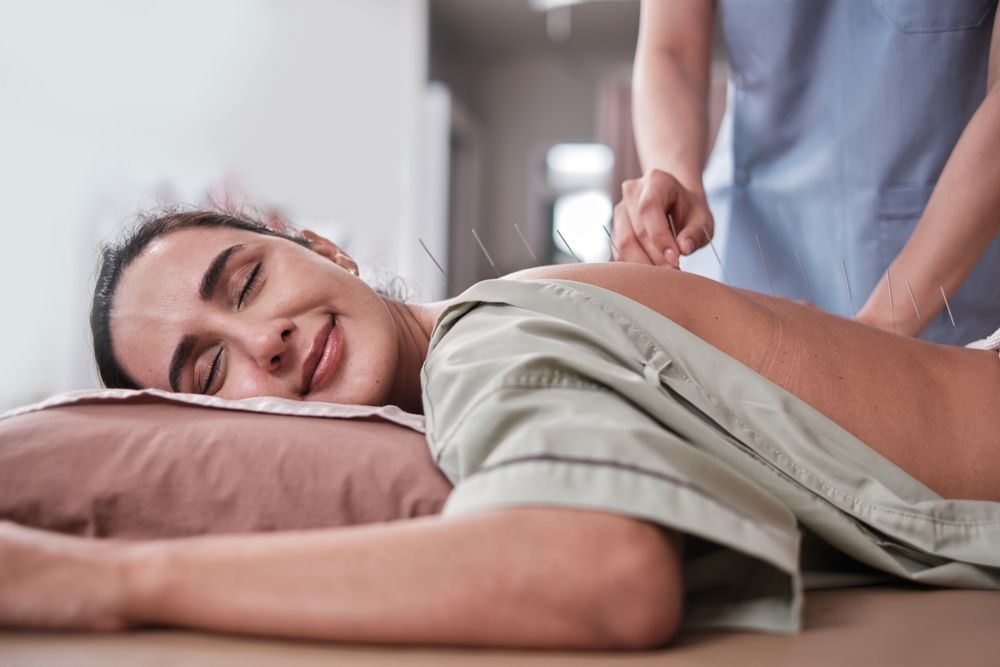
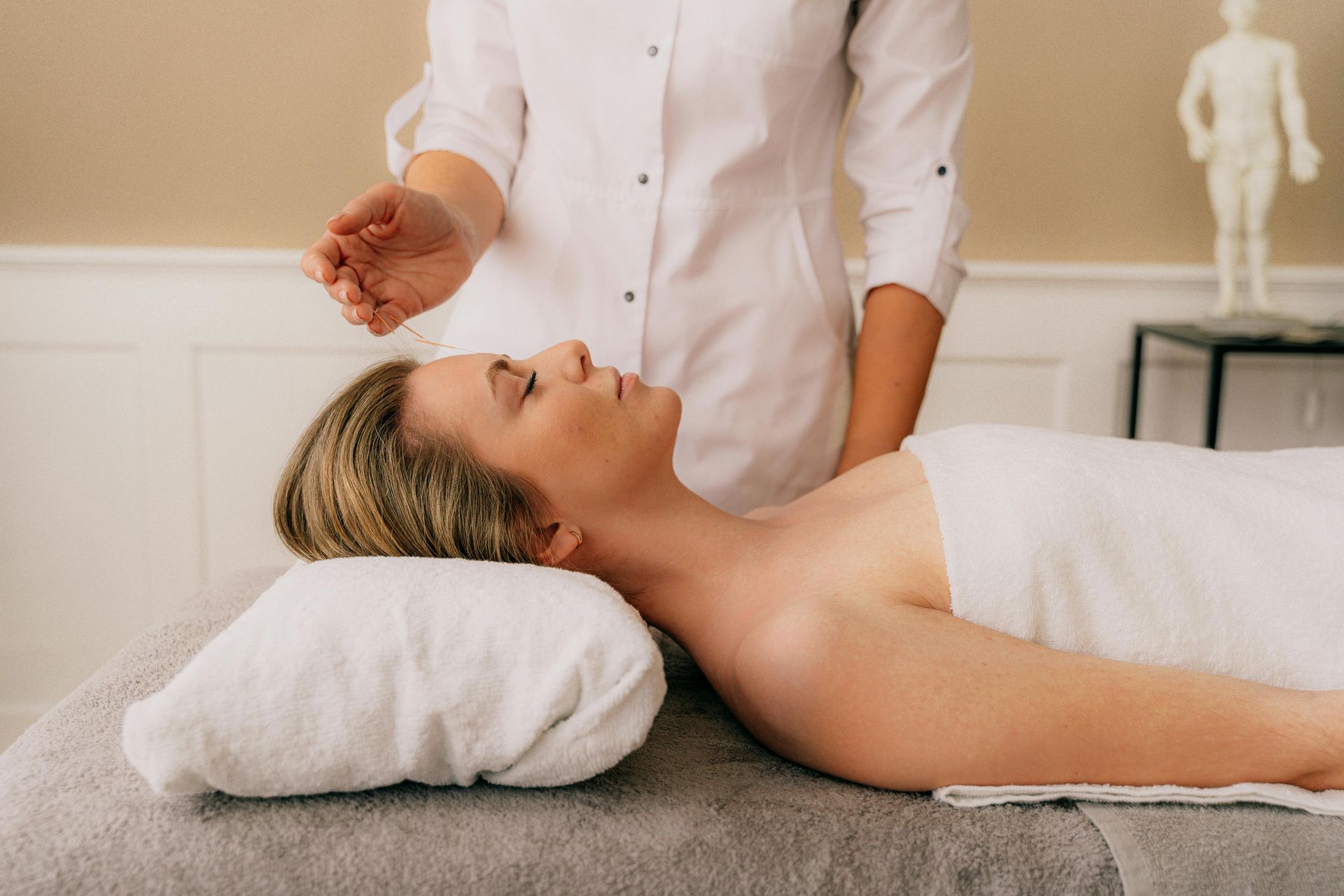
It sounds a bit scarey, but there’s a good chance that at some point in your fertility acupuncture treatment your TCM practitioner will pull out “the electro-stim machine.”

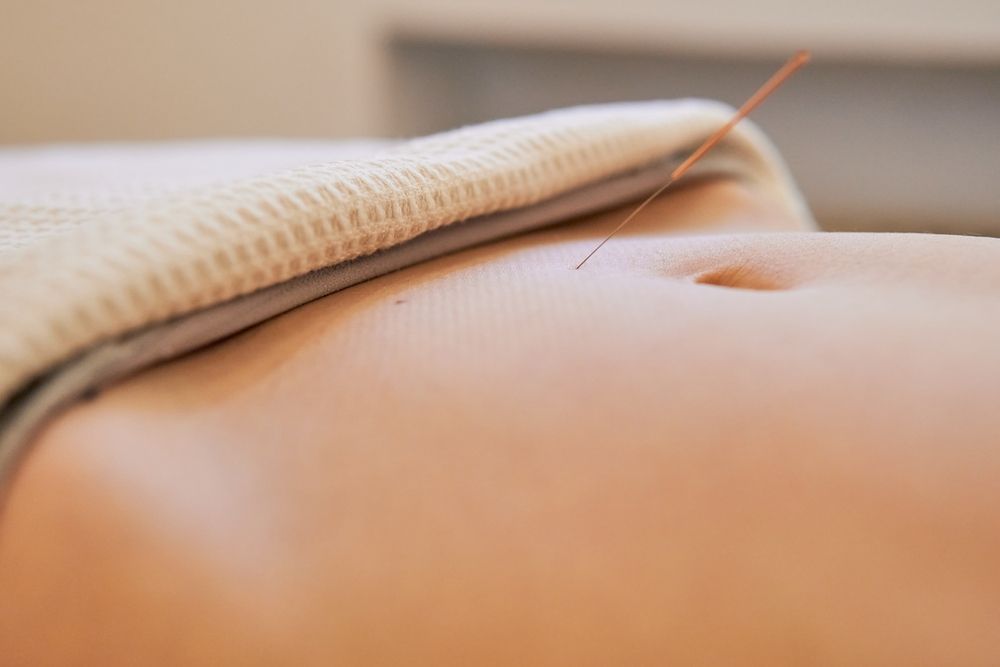
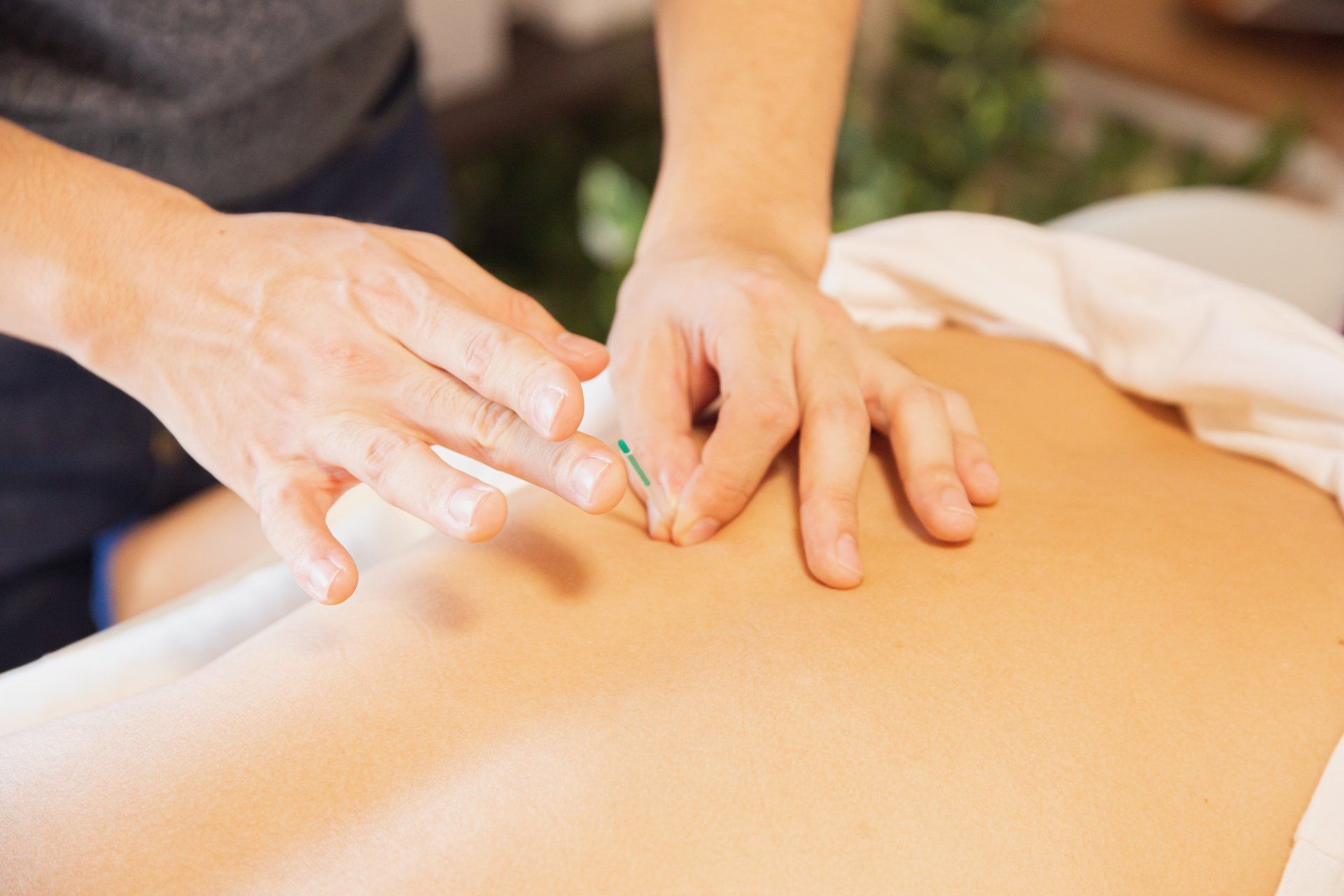
Basically, electroacupuncture is a substitute for time consuming hand manipulation.  Although you may not be aware of it, once the acupuncture needles have penetrated the skin, your acupuncturist then gives the needle a little twist, thrust, or both.   This hand manipulation communicates to the body what action we need it to take.  The point being, electroacupuncture can produce a higher and more continuous level of stimulation than manual manipulation.

Electroacupuncture was first developed in France during the early nineteenth century when a few physicians and researchers began to apply mild electric currents to Chinese acupoints.  One of the first physicians to do so was Dr. Louis Berlioz, who used electroacupuncture to treat neuralgia.

Despite discoveries in France at that time, the concept did not receive much attention until the early twentieth century, when sporadic research began to be done by US and Chinese researchers.  Still, it was not until the 1950’s that electroacupuncture began to develop extensively in mainland China.  Meanwhile, back at the ranch, a German physician by the name of Reinhold Voll systematized the procedure and made several innovative uses of electroacupuncture.  His system, EAV(electroacupuncture according to Voll), is still used by many acupuncturists worldwide.  The 1950’s also brought  developments in electroacupuncture by several physicians around the world.  One such doctor was Dr. Lavier of France (leave it to the French!), who used local electroacupuncture anesthesia for surgery..um, no thanks.  Today, electroacupuncture is widely employed throughout the world.

Electroacupuncture involves a set of needles and electric stimulation.At the start, the electrical potential is zero and the current gradually increases so a s to monitor the patients reaction.  The amount of electrical stimulation depends on the tolerance of the patient and the nature of the disease.

After  the treatment has progressed for a minute or two, the patient may become accustomed to the electric current as effective stimulation gradually decreases.  When this occurs, the current is increased accordingly.

Most electroacupuncture treatments last 10-20 minutes, but in some select cases it may be continued for as long as 4-5 hours.

Here,  at Pulling Down the Moon, your acupuncturist will probably include some electroacupuncture if she/he is trying to improve your egg quality. Electroacupuncture creates more qi and blood circulation in the uterine area, thus benefitting both eggs and endometrial lining.

Well, that is the end of my 4-part series, “Tools of the Trade”.  I hope you have found the information provided to be both educational and interesting.  Take your new found knowledge and go forth to share with friends, family, and physicians alike.  Namaste

Why I Teach

I am very excited today because I just decided to teach a One Day Fertility Yoga Retreat  in our Chicago location on July 18.  It’s been a couple of months since I’ve taught a class, largely because we have such amazing teachers (like Jenliyn Francis, Sara Shelley and Jeni O’Keefe) in all our locations.  Yet, I wouldn’t miss this opportunity for anything. 

First, teaching yoga, especially at Pulling Down the Moon, grounds and centers me.  For those of you who know my story, you know fertility struggles shaped and directed my life in ways I could never have imagined.  I love sharing in the raw energy of transformation that women bring with them to our yoga class.   As I teach the healing model that frames our yoga I’m also continually struck by its applicability to every challenge in our lives, not just infertility.  Each story I hear is moving and each personality so different that I always walk away a bit transformed myself.   Above all, I love it when I see our students exchange emails (mine included!) at the end of class and make dates for future get-togethers.  The only rough part of teaching is having to shoo my students out of the tea room after class.  I know they’d stay there for hours if they could.  Luckily, it’s summer and our Chicago space is right on the river so taking the chat outside and up the riverwalk to Japonais is always a possibility. 

So why am I blogging this?  Well, I think it’s to share my excitement and let you all know that my heart is still very present with our mission.   Even though my fertility struggles are over, my love of the journey is still very fresh.  If you have any questions about our yoga class or this retreat, feel free to contact me directly at beth@pullingdownthemoon.com.   I’m totally looking forward to it. 

If this retreat doesn’t work for you or is out of your financial reach, we do have a Fully Fertile book group starting in July as well.  This is a free, peer-led book group that meets for thirteen weeks at PDtM’s River North location to work through the holistic plan for fertility described in our book, Fully Fertile. 

I hope that summer brings you joy, peace and +++ experiences this summer.  Peace, Beth

Farm-fresh Foods for Fertility

Kimberly Wong, RD, LDN

Spring, in unbroken tradition, has long been a celebration of the fertility of the earth. Similarly, this glowing season marks a time of renewal and revitalization in one’s fertility journey. Thus, in new hope and anticipation, what better way to welcome the coming months than by improving your fertile body with the natural nutrients of Mother Nature.

While it seems like the path to parenthood may at time be paved with difficult words upon deeply scientific concepts, the movement for local foods, dubbed with the endearing, folksy name “locavorism,” is much less esoteric and was spawned in the mid-2000s in an effort to promote sustainability and eco-consciousness.

Fertility vocab 101: locavore, (\ˈlō-kə-ˌvȯr\, noun), one who eats foods grown locally whenever possible.

Repeat. Memorize. Embrace.

Here’s the 411 on why becoming a locavore can aid in optimizing your preconception nutrition status. In short, locally farmed foods a) provide more vitamins and minerals per serving than do their grocery store counterparts b) encourage increased consumption of fresh fruits and vegetables and c) frequently boast a pesticide-free label.

Local foods travel far fewer miles than your average megastore produce. While it seems convenient to run to the corner store and buy a pint of strawberries to meet our daily quota for our 9-A-Day, what we end up with in hand is quite the reverse of nutritious and fresh. In fact, a food is only considered local if it is grown within 100 miles of where it is sold. Conversely, the average carrot will travel 1,838 miles from farm to table.

While this particular carrot travels the rough equivalent of DC to Mexico City, greater than 50% and up to 90% of its vitamin C content will be lost within the first day of travel. Other essential nutrients fall prey to time-, temperature-, and light-sensitivity: the vital B vitamins, particularly folate, and vitamin E. These particular nutrients are all antioxidants that not only protect from an array of disease, but also help prevent harmful oxidative stress that has been linked to both male and female infertility.

Next, shopping for local foods is a calming, rewarding, and positive experience. Sifting through the wagons of crisp kale, chatting with its grower, and breathing fresh air may be considered so pleasurable that it increases the frequency of fresh fruits and vegetables, and grass-fed/cage-free proteins in one’s diet. Even without a drastic increase in servings per day, the mere substitution of local foods decrease the amount of commercialized foods in the diet. This, in turn, essentially cuts back the amount of processed foods, refined carbohydrates, saturated fats and preservatives in the diet. Just think—a mere trip to a local market can bring you one step closer to an anti-inflammatory, lower-glycemic, fertility-friendly diet!

Finally, local foods tend to offer pesticide-free and organic varieties. The upside to directly dealing with the foods’ producer ensures the elimination of any confusion. Pesticide-residues on fruits and vegetables and hormone/antibiotic-residues in meats and their by-products are of concern to fertility because of the accumulation of such toxins has been linked to reproductive damage.  

The Environmental Working Group has developed the infamous “Dirty Dozen,” which notes the foods that are likely to be highest in pesticide residuals. Do try to buy these foods organic and locally when possible. Conversely, they have released the “Cleanest Twelve” which indicates the produce lowest in pesticides.

Dirty Dozen Cleanest Twelve
Peaches Onions
Apples Avocado
Sweet Bell Peppers Sweet Corn (frozen)
Celery Pineapples
Nectarines Mango
Strawberries Asparagus
Cherries Sweet Peas (frozen)
Pears Kiwi Fruit
Grapes (imported) Bananas
Spinach Cabbage
Lettuce Broccoli
Potatoes Papaya


Words of caution: the label “organic” does not mean that the produce was grown locally. While it may lack harmful toxic chemicals, it may have travelled several days to arrive to your location and thus also lacking in vital nutrients.

Although the warm summer-like weather donned upon us this year with as much surprise as our back-to-back blizzards, take this opportunity to explore new grounds in your fertility journey and tune into your inner locavore and enjoy the one predictable mainstay this spring: the flood of fertility-friendly, nutrient-rich produce into our fresh markets.

Check out http://www.rawdc.org/dc/fruitDC.html, an excellent online resource with more details and links to local farmers’ markets, CSAs, and organic retailers scattered across Northern Virginia, Washington, DC, and Maryland. For nationwide information, check out http://www.localharvest.org/.

Click here to schedule a fertility nutrition consultation with Kimberly Wong at Pulling Down the Moon in Rockville.  For more information about nutrition counseling visit our website at www.pullingdownthemoon.com.

PDtM & FCI Patients Share Stories of Hope on The Fertility Chase

Are you or someone you know struggling to conceive?  If so, we hope you will pass this video along. 

Pulling Down the Moon and Fertility Centers of Illinois are featured in the first episode of the new WeTV show The Fertility Chase.  The focus of this segment is to raise awareness of how holistic techniques like acupuncture, yoga, nutrition and massage should be used as a first line of treatment rather than as a last resort.   Two PDtM patients and their partners share their personal struggles with infertility and discuss how holistic treatments supported them in the journey.  In addition, Dr. Brian Kaplan of Fertility Centers of Illinois adds his perspective of the role holisitc medicine can play even when couples have moved on to medical intervention. 

Exercise Training for “The Boys”

Studies suggest that there is a relationship between exercise and male fertility.  Interestingly, men who have a ”moderate” exercise program (1 hour of exercise 3 times per week) have been shown to have better sperm parameters than men with heavy training regimens like marathoners and triathletes (Vaamond et al. 2009).  And gals, even if your guys isn’t a pro athlete he may still be working out in a way that’s not optimal for fertility.  Too much exercise, inadequate rest between workouts and “weekend warrior” bouts of intense activity could stack up to impair sperm count, morphology and motility. 

This may in part relate to the fact that habitual, moderate physical activity can act as an antioxidant because it “trains” our body to become a better producer of antioxidant enzymes.  However, when exercise becomes intense and exhaustive, or when we do not allow time for the body to rest and repair, cell damage due to oxidative stress can occur.  Here are some guidelines to pass along to your honey to make sure both he and “his boys” are staying fit:

Fertility-Friendly Exercise for Guys

  1. About an hour of moderate intensity cardiovascular three times per week is optimal for fertility.  He should keep his heart rate around 65-75% of max and make sure there’s adequate time to rest and restore between workouts.   
  2. Resistance training will help your honey maintain lean body mass, stay strong and look like a hottie.  Again, taking time to rest and restore is key.  Allowing for at least 48 hours of rest between resistance training sessions optimizes muscle repair and workout efficacy. 
  3. Practice yoga.  When we say yoga is good for stiffies we don’t just mean tight muscles.  Stretching reduces chronic stress and releases tight muscles in the hips, back and groin.  Net result:  less tension and improved blood flow to the pelvic organs…natural Viagra! 
  4. Avoid back-to-back strenuous work-outs.  Stagger cardiovascular training with resistance training and yoga/stretching routines to achieve optimal fitness with minimal side-effects. 
  5. Keep the shorts loose and the “equipment” cool.  Avoid saunas, steam rooms and hot tubs. 
  6. Practice relaxation training every day.  In the go-go world in which we live, our bodies and minds have forgotten how to relax.  Taking 15 minutes a day to practice meditation, conscious breathing or deep relaxation is imperative to combat the toll that stress hormones take on our health and fertility. 

With this exercise wisdom “under his belt,” (so to speak) your guy can do his part to make sure both he and his swimmers are in tip-top shape! 

 Vaamond et al. Response of semen parameters to three training modalities.  Fertil Steril 2009; 92:  1941–6.

Boost Your Egg Quality I.Q.

Because we work so closely with physicians, we have to be scrupulous about any suggestion that Traditional Chinese Medicine, nutrition and yoga can impact egg quality because there is very little clinical evidence to support this assertion.  That said, there is very little clinical research that has actually been done to examine the impact of holistic treatments on egg quality.  Perhaps that’s because the issue is low on our national health priorities list…

Or maybe it’s not.  It actually turns out that there’s great deal of concern about egg quality in U.S. women – for a couple of reasons.  First, infertility seems to be on the rise in the U.S. and this increase is not wholly accounted for by maternal age, leading researchers to wonder if something in our lifestyle or environment is impairing fertility.  Second, there is concern that poor egg quality may be partially responsible for increases in chronic diseases like heart attacks, diabetes and chronic high blood pressure.  In 2002 the National Institutes of Health introduced the Female Health and Egg Quality Initiative, to address the concern that poor egg quality may be responsible for difficulties in attaining and maintaining a healthy pregnancy for a significant number of females.  In addition, certain “adverse health situations” in women prior to or around the time of fertilization have been identified as risk factors for poor egg quality:  poor nutrition, extreme exercise, smoking, hyperglycemia/insulin resistance, obesity and, potentially, inflammation.  (To follow this initiative you can visit the NIH’s National Cooperative on Female Health and Egg Quality program ).

Pulling Down the Moon’s E.Q. I.Q.  (a.k.a. Egg Quality Intelligence Quotient)

It’s both sobering and empowering that our lifestyle behavior before conception may dictate the health of our future kids.  At Pulling Down the Moon we take a long-range view of improving egg quality based on a few basic assumptions:

  • Women are born with all the eggs they’ll ever have.  At the time of puberty, dormant egg follicles begin a cycle of monthly maturation that causes multiple follicles to mature and results in the release of an oocyte from a single “lead follicle.”  If pregnancy does not result from ovulation, menstruation occurs.  The cycle repeats until menopause somewhere around the age of 50. 
  •  Human egg development (folliculogenesis) takes place over a period of about a year, or 13 menstrual cycles.  During this time the follicles wake from their dormant state and prepare for recruitment.  During the last 120 days of this period the maturation process quickens.  The final few days of maturation are action packed as the egg “slims down” to 23 chromosomes through a highly energy-intensive process that prepares the oocyte to receive 23 chromosomes from a sperm to make a healthy embryo with 46 chromosomes. 
  •  When the ovaries do not respond to the usual hormonal cues of the menstrual cycle, in particular the signal of Follicle Stimulating Hormone (FSH), they are considered to be poor quality.  In Assisted Reproduction settings, egg quality is generally diagnosed by testing a woman’s FSH levels as well as her response to ovarian stimulating medications.
  •  While age is still the major determinant of egg quality, it is not the only factor at play.  The health of the developing eggs and their ability to respond to internal or external hormonal stimulation may be affected by poor blood flow, stress, toxic substances like cigarettes and environmental contaminants, inflammation caused by stress or diet, hormonal imbalances and potentially intake of unhealthy dietary fats.   

A Role for Holistic Therapy

At Pulling Down the Moon we work with many women who have been told they have diminishing ovarian reserve/poor egg quality.   Upon receiving this challenging diagnosis, some women feel ready to move on to “second solutions” like donor-gamete programs.  Others, however, are interested in exploring ways to improve the quality of their own eggs before taking other measures.  If you’re a woman seeking to improve the quality of your eggs, here are a few tips to boost your E.Q.I.Q.:

  • Making a significant impact on egg quality is not a short-term project.  At the Moon we target a minimum of 3 months, but in actuality, working within the 13 month period of egg development is optimal.
  • Acupuncture and herbal treatment have been used for thousands of years to help regulate the menstrual cycle.  Intricate cycles of growth hormones and growth factors occur in the ovaries in response to commands from the hypothalamus and pituitary gland throughout the entire maturation process.  By helping to regulate and balance the hormone cycle, techniques from Traditional Chinese Medicine are thought to restore an oocyte’s ability to respond to hormonal cues.  Acupuncture can also stimulate blood flow to the ovaries.
  •  Revamp your diet to eliminate foods that cause inflammation (refined sugar, corn-fed red meat, many preservatives and nitrates, omega-6 fatty acids and transfats.  Chronic inflammation has been shown to decrease our cells’ ability to respond to hormonal cues (as in the case of diabetes) and may play a role in conditions like Polycystic Ovarian Syndrome. 
  •  Work with a fertility nutritionist.  Nutritional supplementation, eating an anti-inflammatory/hypo-allergenic diet (like our ART Recovery/Prep Program) and improving gut function can play an important role in hormonal health.
  •  Eliminate toxins from your living environment including substances such as parabens (found in cosmetics), phthalates (found in pliable plastics), Bisphenol A (in plastics), PCBs and PBDEs (coolants, flame retardants).  These chemicals can mimic our body’s reproductive hormones and are associated with infertility and cancer.
  •  Reduce stress.  Stress is associated with hormonal disruption and inflammation.  Learning to relax is a key part of re-establishing hormonal balance in our body. 
  •  Maintain a low-impact, moderate-intensity exercise program that emphasizes gentle cardiovascular exercise like walking or swimming, and yoga to promote flexibility and strength.  In contrast to high intensity activities like running, spinning and impact aerobics, yoga encourages blood flow into the internal organs by releasing tight musculature in the hips, groin and low back while stimulating our body’s parasympathetic “rest, digest and nest” hormone response. 

 Here is a simple breathing meditation that uses mudra (hand yoga) to strengthen the ovaries and developing oocytes.  In yoga, each of the fingers has meaning and is associated with a particular organ system.  The thumb, which is the focus of this meditation, is thought to restore equilibrium in weak or challenged body parts.  We use this mudra and visualization to send light and warmth to our ovaries. 

Sit comfortably or lie down.  Wrap the thumb of your right hand with the four fingers of the left hand and rest the left thumb along the inner edge of your right hand (it will sit next to the index finger of the right hand).  Focus your mind on your ovaries.  Now visualize a light burning just below your navel.  With each exhale, direct light down to your ovaries.  For the first several breaths, you can visualize dark clouds of smoke escape from the ovaries as you breathe light into them and expel imbalance and negative energy from this part of the body.  After a few breaths, concentrate solely on the light that warms and illuminates the ovaries and oocytes.  Repeat holding the other thumb.

Holistic Help for Endo

Endometriosis is a condition where cells similar to those that make up the lining of the uterus grow in places where they have no business showing up – like the ovaries, bowel and bladder, and even the muscular tissue of vagina.  Like their relatives in the uterus, these rogue upstarts (called implants) respond to the hormonal cues of the menstrual cycle, first getting thicker and then breaking down to “bleed.”  But unlike the endometrial lining of the uterus, the implants have nowhere to flow and as a result may form into painful scar tissue or fluid-filled lesions – ouch! 

Pelvic pain (sometimes severe!) at the time of menstruation and/or ovulation is the most common symptom of endometriosis, and secondary symptoms may include abnormally heavy periods and infertility.  If you are under the care of a physician for endometriosis, treatment can include birth control pills, other hormonal medications and in advanced cases, laparoscopy to remove scar tissue and implants. 

Endometriosis is challenging under any circumstances, but managing endometriosis while you’re trying to conceive adds an entirely new level of complexity.  Obviously, when you’re trying to conceive, using birth control pills and hormone treatment becomes trickier.  Nevertheless, don’t despair.  Your OB or Reproductive Endocrinologist will counsel you on how best to treat your endometriosis in preparation for ART (Assisted Reproductive Technology).  In addition, the following holistic practices can help you manage pain and stress, as well as support your reproductive system in preparation for a successful pregnancy.

  1. Eat an anti-inflammatory/gut-friendly diet

The pain associated with endometriosis is thought to be in part due to inflammation caused by higher levels of “bad prostaglandins.”   Prostaglandins are chemical messengers produced in every cell in the body.  These chemicals have some beneficial effects (enhance immune function, increase blood flow, block inflammation) and some problematic effects (promote inflammation, decrease blood flow, contract muscles and produce pain).   Unfortunately, research shows that women with endometriosis produce higher than normal levels of the second guys, pro-inflammatory prostaglandins (1),  as well as higher levels of oxidative stress (click here to read more about oxidative stress and fertility) (2).

Certain foods can increase levels of inflammation in the body.  For that reason, women with endometriosis can benefit from limiting pro-inflammatory foods like red meat, omega-6 oils and refined sugars.  Other foods, including healthy oils and anti-oxidant rich fruits and vegetables can help reduce inflammation.  Promoting good digestion is also key.  Endometrial implants can occur in the gut and pelvic pain is often exacerbated by poor digestion.   At Pulling Down the Moon we recommend that women with endometriosis adopt an ultra-healing diet like our ART Recovery/Prep Program.  This eating program is designed to decrease dietary sources of inflammation and promote gut health. 

  1. Stress Reduction

Interestingly, studies show that women with endometriosis suffer from depression at a higher rate than their fertile counterparts. (2).   In addition, levels of the stress hormone cortisol are higher in the follicular fluid of women with endometriosis vs. fertile women (3).   Since stress and depression have been shown to negatively impact a woman’s ability to conceive, relaxation training and finding emotional support can play an important of healing endometriosis.   (4)  Taking a yoga class, joining a support group or learning basic relaxation techniques are all good strategies for women with endometriosis.

  1. Acupuncture/Traditional Chinese Medicine

Traditional Chinese Medicine (TCM) treats endometriosis in much the same way that it treats any disorder – as a symptom of underlying imbalance that can be treated with acupuncture, herbal therapy and lifestyle changes.  While no specific studies exist looking at endometriosis, TCM and fertility, there is a growing body of evidence that TCM can help with the pain and dysmenorrheal that many women with endo experience (5).  In addition, it is well established that TCM helps treat stress and depression. 

  1. Massage

 Many women don’t realize the potential healing benefit of massage for endometriosis.  Studies have shown that mechanical manipulation (stretching and pulling) on body tissue can release and potentially break down scar tissue (7).  Touch therapy also helps to elevate mood and reduce stress and release tight musculature that contributes to pelvic pain.  A fertility massage like our FEM protocol session “Enhance the Blood” that focuses on deep work in the pelvis and improving blood and fluid flow in lower abdomen can be extremely beneficial for women with endometriosis – even when not trying to conceive. 

The take-home message here is if you’re struggling with endometriosis, you can still feel very optimistic about your odds of conceiving.  A combination of excellent medical care and lifestyle changes can drastically impact your symptoms and put parenthood in your sights.  For more information or for help building your holistic self-care strategy, contact Pulling Down the Moon at 301-610-7755 or visit our website at www.pullingdownthemoon.com

  1. Lee J.  Selective blockade of prostaglandin E2 receptor EP2 and EP4 signaling inhibits proliferation of human endometriotic epithelial cells and stromal cells through distinct cell cycle arrest. Fertil Steril. 2010 Mar 5. [Epub ahead of print].
  2. Ngo C.  Reactive oxygen species controls endometriosis progression. Am J Pathol. 2009 Jul;175(1):225-34. Epub 2009 Jun 4.
  3. Danielle L. Depression: an emotional obstacle to seeking medical advice for infertility. FertileSteril. 2010 Jan 2. [Epub ahead of print]
  4. Oehmke F.  Impact of endometriosis on quality of life: a pilot study. Gynecol Endocrinol. 2009 Nov;25(11):722-5.
  5. Volgsten H. Personality traits associated with depressive and anxiety disorders in infertile women and men undergoing in vitro fertilization treatment. Acta Obstet Gynecol Scand. 2010;89(1):27-34
  6. Wayne P. Japanese-style acupuncture for endometriosis-related pelvic pain in adolescents and young women: results of a randomized sham-controlled trial. J Pediatr Adolesc Gynecol. 2008 Oct;21(5):247-57.
  7. Langevin H. Dynamic fibroblast cytoskeletal response to subcutaneous tissue stretch ex vivo and in vivo. Am J Physiol Cell Physiol. 2005 Mar;288(3):C747-56. Epub 2004 Oct 20

Restorative Fertility Yoga

Need to restore today?  Check out this great video of Tami demonstrating Supine Bound Angle, a yoga pose that’s great for both male and female fertility.