Archive for 'Fertility'
Rethink Your Drink
I’m sure you have heard the saying “You are what you eat” but have you ever heard the saying “you are what you drink?” Beverages are everywhere – especially when the temperature increases in the summer time! The average American adult consumes about 28 ounces of sugar-sweetened beverages per day, equal to about 350 extra calories per day. While our typical client is much more health conscious than the “average American” I’m always surprised to see what people are drinking. Top on the list (other than water) is almost always diet sodas, skim milk and coffee, followed by artificially-sweetened ice teas and lemonades (like Crystal Light), fruit juice, herbal teas, sometimes sports drinks and alcohol.
Fluids – like food – are necessary in the diet. We know our bodies are about 78% water – found inside and in between cells and our brain is almost all water- thus explaining why even minor dehydration leads to difficulty thinking. We know that we need fluid for hydration (especially in times of increased fluid loss like exercise). We need fluid for detoxification – both from internal toxic by-products of metabolism to external toxins like chemicals that are converted to water-soluble compounds and eliminated. We need it for digestion and metabolism of food. And we know that without water, we would die within days. There’s no doubt that fluids are just as essential as food to our lives — and to our fertility – as fluids are needed for lubrication, cervical fluid production, detoxification, and overall metabolic support.
We tend to think of fluids as just added calories and not having any specific nutrients in them. But there are lots of nutrient rich beverages to enjoy. Fertility-friendly fluids are naturally nutrient and electrolyte-rich and have no added sugar or artificial sweeteners. Here are some Fertility-Friendly beverages to get some extra vitamins, minerals and phytochemicals into your body:
- Coconut water
- Water infused with sliced citrus fruits, cucumbers and herbs
- Nettle Tea infusion
- Cucumber lemon water – Slice a cucumber and lemon and place in pitcher of water and let chill for 2 hours.
- Seltzer water (8oz) with unsweetened fruit juice (1oz)
- Kombucha Tea
- Cranberry-infused Water (8oz water plus 2 oz unsweetened cranberry juice)
- Watermelon water – Blend 4 cups fresh watermelon, add to 6 cups water and add juice of 2 fresh limes. Serve over ice.
- Herbal Teas like PDtM’s Nourish ARTea.
For more information on fertility-friendly fluids and our Nutrition Program, please contact Pulling Down the Moon or go to www.pullingdownthemoon.com and schedule an online appointment.
Posted: July 22nd, 2010 under Fertility, Fertility Diet, Holistic Fertility, Nutrition for Fertility.
Comments: none
Acupuncture and Miscarriage Prevention
by Pamela Policastro, L.Ac.
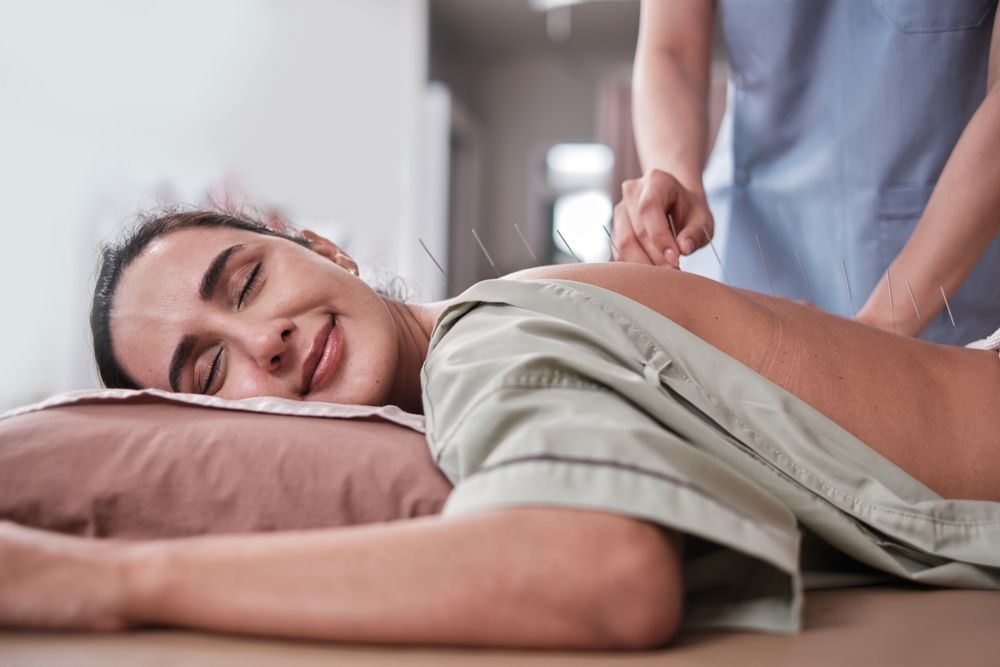
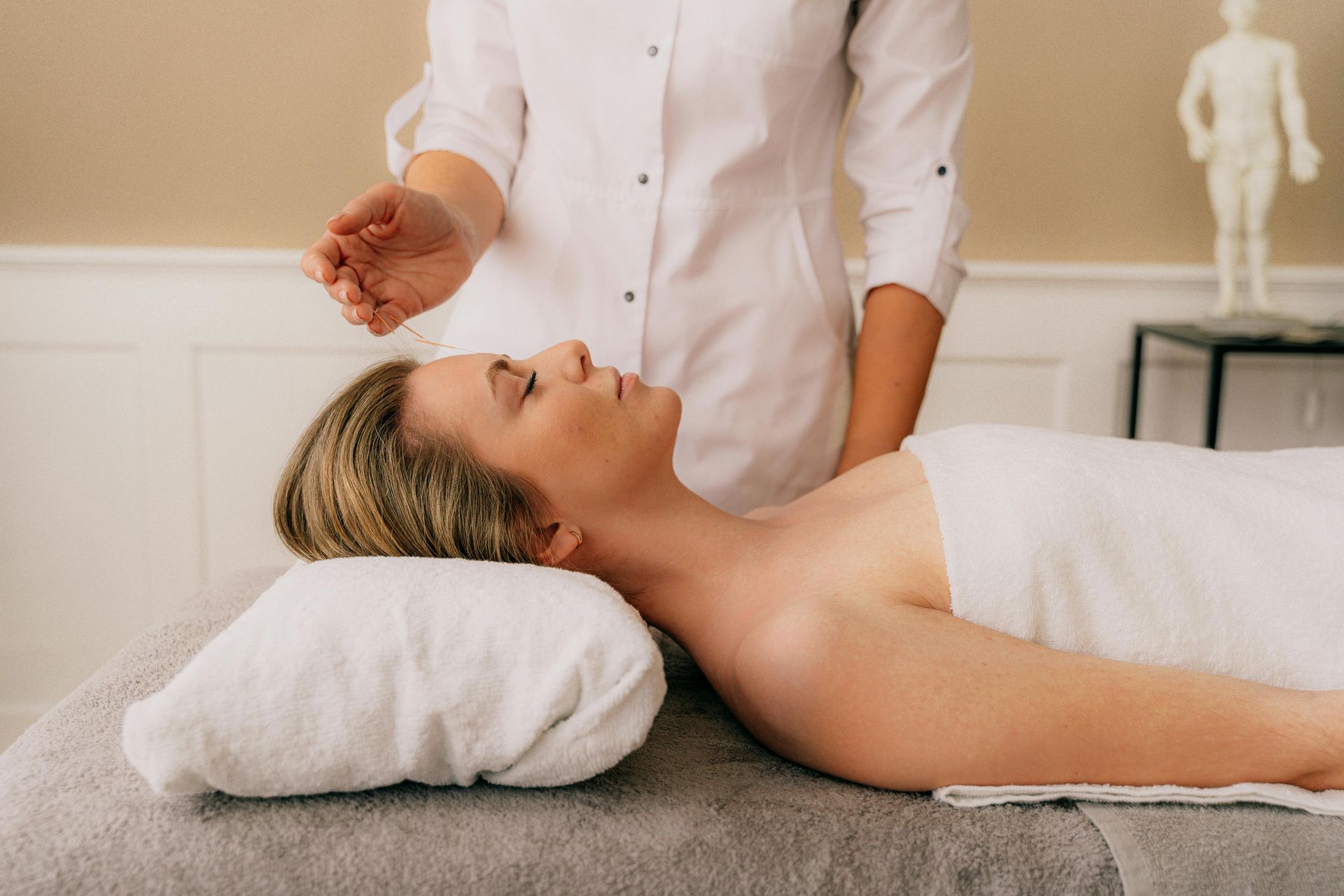
Miscarriage is the result of many possible factors during pregnancy. These include genetic factors, environmental factors, circulatory factors, and immunologic factors. Many of these conditions are a result of subtle imbalance within a very delicate internal environment. Since acupuncture is used to bring the body back to balance, it is able to contribute to the prevention of miscarriage. There are benefits to having acupuncture during each trimester of pregnancy.
During the first trimester acupuncture is used to help prevent miscarriage and provide a stabilizing effect on the pregnancy, balance the endocrine system, and regulate hormones. Acupuncture helps to minimize nausea, morning sickness, fatigue, migraines, bleeding and spotting.
During the second trimester , acupuncture is used to regulate the digestive, nervous, and endocrine systems, all of which are necessary to maintain a healthy pregnancy. Acupuncture helps to alleviate heart burn, hemorrhoids, edema, elevated blood pressure, and stress.
During the third trimester, acupuncture is used to regulate to musculoskeletal system to provide relief from sciatica, backache, pubic and joint pain, and carpel tunnel syndrome. Treatment during this trimester also encourages the proper positioning of the baby for birth and helps normalize labor. Research shows that women who use acupuncture experience shorter labor times with fewer complications, reduced rate of caesarean, and less need for the use of oxytocin, pain medications and epidurals.
Posted: June 25th, 2010 under Fertility, Fertility Acupuncture, miscarriage.
Comments: none
Food and Mood: Coping with Loss
By Breea Johnson, MS RD LDN
Going through a loss can have a huge impact on our nutrition. We know that the mind and body are intertwined, with an even closer connection between the brain and the gut (otherwise known as the digestive system). Do you ever notice when you are nervous you feel it in your stomach? Or when you drink alcohol you feel it in your brain? Dealing with a loss can affect appetite; foods you typically like may seem tasteless and just trying to eat three meals a day may seem challenging. But the connection between what we eat and how it makes us feel and think is also perpetually linked. The brain is the most complex organ, as everyone knows, and it requires proper nutrition to function well. Beyond nutritious sources of protein, carbohydrates and fat, the brain needs the complete spectrum of vitamins and minerals to properly function and for brain cells to communicate effectively. Most vital are neurotransmitters (i.e. dopamine and serotonin) which are made of amino acids—found in protein foods (meat, fish, dairy, beans, nuts, seeds, whole grains) which makes protein essential in improving mental performance. While the comfort foods may be calling your name – be sure to add some protein to keep you thinking clearly and feeling healthy.
Posted: June 23rd, 2010 under Fertility, Infertility, Nutrition for Fertility, Uncategorized, miscarriage.
Comments: none
An Energetic Remedy for Loss
Last Friday I was riding home from work with our wise-beyond-her-years Chicago admin/receptionist Jenny when our conversation turned to coping with loss. This had not been an easy winter for Jenny, who had lost most of her earthly belongings in an apartment fire that left her homeless in February. During the catastrophic event and the aftermath, Jenny remained steady and positive, giving support and compassion to our patients while maintaining an impressively professional demeanor in her work. Everyone at the Moon was inspired.
Since I had been noodling a blog about loss around in my head, I thought it would be useful to ask Jenny about the fire and the strategies she used for recovery. I thought it would provide a foil for the losses I could write about from personal experience (miscarriages and a stillbirth) and for the kinds of losses we encounter at the Moon. These are largely emotional losses – hopes and dreams of pregnancy, failed cycles, miscarriages and stillbirth. At times these losses are coupled with the loss of resources, in cases where couples have paid out of pocket for unsuccessful treatments, but they are largely emotional. Jenny’s loss was concrete – literally valuable possessions as well as priceless mementos that were completely destroyed by a bolt from the blue.
“I kept telling myself that there is a bigger picture,” she said. ”It was the old saying that ‘things happen for a reason’ that gave me strength. I really focused on staying positive and looking for the good that might come.”
If you smell a cliche here, keep reading. Jenny’s next words were profound.
“I think it’s human nature to contract when we experience loss. We contract around the pain, we avoid situations that remind us of our loss and we try to avoid the emotions – sadness, anger and envy- that come when our life seems to be in shambles compared to those around us. More than anything I tried to remain open. To emotions, to help from others and even to situations that could be painful.”
As Jenny shared her experiences of loss and healing, I was instantly struck by their similarity to my own journey. When my first full term pregnancy ended in a stillbirth of a little girl at 38 weeks, I received one strong message from the universe: STAY OPEN. Take every condolence call, accept every offer of comfort from friends, eat every casserole that was delivered and, above all, cry every tear that I needed to cry. For a very introverted and private person (at least before the creation of Pulling Down the Moon) this was indeed a radical strategy. My entire being wanted to crawl in a hole and avoid contact with others and with my pain.
In Jenny’s case, this call to open was an intuition. In my own case, I believe the message came through my yoga practice. The simple practice of stretching that has been part of my life for so many years kept calling to me to use the same techniques that keep my body healthy to heal my mind. If you’ve ever been a beginning yogi, you know it can be an uncomfortable business at first to stretch tight muscles. Yet, with practice, the discomfort eventually releases and gives way to spaciousness and calm. This holds true for emotional challenges, too. When we choose to stay open and experience our loss we can actually release pain and suffering. When we “close” around these painful emotions we may not ever let them go. In fact, we will often consciously or unconsciously go to great lengths to avoid the aspects of life that trigger past trauma and in doing so greatly circumscribe the scope of our experience.
There seems to be an energetic rule in play here, and the similarity of Jenny’s and my experience drove this home. In the face of loss, rather than constrict, we must look for ways to open. Begin with a simple physical practice of stretching and breathing. Find support where you can tell your story and cry tears with people who understand. Eat the casserole. Like George Costanza from Seinfeld, do the opposite of what feels comfortable and stretch instead of hunker.
These are not easy words of advice. Yet, there is a promise of courage and self-discovery in them. And if you need help getting there our classes, teachers and gifted practitioners are here to help. Have you experienced loss? What worked for you?
Posted: June 23rd, 2010 under Fertility, Infertility, Spirituality and Fertilit, Yoga for Fertility.
Comments: 2
The Many Faces of PCOS
An important aspect of PCOS (Polycystic Ovary Syndrome) is the fact that it is a syndrome, not a disease, meaning it’s a collection of symptoms. Working in fertility nutrition, I’m constantly fascinated by the many faces of PCOS. Gone are the days where the typical PCOS patient is overweight, has insulin resistance, adult acne, facial hair growth and elevated testosterone levels. Normal body weight and thin women can present with PCOS. Women also may or may not have insulin resistance, which has been so commonly associated with PCOS.
When I see clients with PCOS, 90% of the time it is because a woman wants to conceive in the coming months and does not get a regular period. The other 10% want to conceive at some point in their life, have tried medication and were not happy with the side effects and want a more natural way to manage PCOS and induce ovulation. Many women do not even realize they do not have a normal cycle until they discontinue the birth control pill which has medically induced their cycle for many years.
While the causes of PCOS is unclear, we do know that it is related to an underlying hormonal imbalance and that working to balance hormones and increase the sensitivity of the hormone, insulin, can definitely benefit a woman with PCOS. While we have a comprehensive nutritional treatment strategy for PCOS at Pulling Down the Moon, a few of our important recommendations are:
- Eat low glycemic carbs: Lowering the intake of refined carbohydrates such bread and pastries and increasing nutrient-dense foods can be beneficial to decrease insulin levels. Insulin is the “store and save” hormone, as elevated insulin levels make it difficult to lose weight.
- Try FlowPro: Myo-inositol, part of the B-vitamin complex , has been found in multiple research studies to help increase insulin sensitivity and induce ovulation in a high percentage of women with PCOS. Some research has found it to be equally effective as Metformin in restoring ovulation. Myo-inositol has also been found to increase progesterone levels and decrease testosterone levels.
- Have your Vitamin D levels checked: Studies have shown that women with PCOS have very low levels of Vitamin D (25-OH) which may contribute to insulin resistance. The lab test is a blood test that your primary care physician can administer.
- Get screened for autoimmune thyroid disease: PCOS has been linked to autoimmune thyroiditis) with studies showing a three-fold increase of autoimmune thyroid disease among women with PCOs. In addition to having the standard thyroid tests performed by your primary care physician, have you thyroid antibodies checked.
While PCOS is not a well-understood syndrome, there are many treatments both conventional and alternative that really work to help reduce symptoms and induce ovulation. A client recently emailed to tell me that after 3 weeks of taking FlowPro she got her period for the first time naturally and within a few cycles was pregnant. If you have any questions about PCOS and nutrition or would like to set up an appointment with a Pulling Down the Moon nutritionist, please click here or call (312) 321-0004.
Posted: May 20th, 2010 under Fertility, Holistic Fertility, Infertility, Nutrition for Fertility, PCOS.
Comments: 1
Get the Dirt on Fertility Nutrition
Recently, I had the opportunity to visit Growing Power’s Urban Agriculture Farm in Milwaukee, Wisconsin. Founder Will Allen is a national guru of local and sustainable food and grows food year round to supply many restaurants, farmers markets and schools in the Midwest. So, what does this have to do with fertility, you ask? Well, Allen believes that farming isn’t as much about the growing of fruits, vegetables and grains; rather it’s about building soil which he often refers to as “fertile soil.” His message is this: Without nutrient-rich soil, plants won’t grow, his land will be barren and he will have no fruits or vegetables to sell. As I listened to him speak, I couldn’t help think about the relationship between “soil fertility” and “human fertility” and my work at Pulling Down the Moon specializing in fertility nutrition. While growing vegetables may seem like a huge departure from helping women conceive, there are actually many more similarities than you might think.
If you have ever tried to grow organic vegetables this thought may have crossed your mind. I’m personally finding in my spring venture the amount of work required to grow vegetables organically, with no pesticides, fertilizers or Miracle Gro. Vegetables may sprout in ordinary potting soil but in order to get them to grow and thrive and produce offspring they need soil that is completely nutrient-rich and thriving with microorganisms – along with sun and water, of course. When you ask Will Allen what his biggest asset is on his urban farm, he won’t say equipment or even the people, he will always say the worms. With hundreds of thousands of worms living on his farm, he utilizes them to compost food waste scraps into beautiful and nutrient-rich soil in order for his plants to thrive. It’s easy to see with a visible eye how nutrient rich the soil is and taste of the vegetables is so unbelievable that I literally crave their spicy salad mix!
So, think about it. If soil nutrition is essential for soil fertility then human nutrition is essential for human fertility, right? Yes, there absolutely needs to be a nutrient-rich environment (body) for a baby to develop. In order for this to happen, nutrient-rich foods need to be consumed. Fruits, vegetables, whole grains, beans, nuts, seeds, quality meat and dairy, eggs and fish have what is termed “nutrient density” – lots of vitamins, minerals and phytochemicals per calorie. A diet full of these foods and void of processed nutrient-empty foods is sure to turn your body into a “nutrient-rich” one – perfect for seed planting!
Another big connection between soil fertility and human fertility are the benefits of microorganisms. Our microbiota (the bacteria that live on and within us) actually outnumber cells that are on our body. We call them “probiotics” as they are “good” bacteria that can be found on vegetables (specifically fermented vegetables such as sauerkraut and kimchi), fermented beans and cultured dairy such as yogurt and kefir. Almost all cultures include a fermented food or beverage as part of their daily diet, likely leftover from a time when fermentation was used to preserve foods prior to refrigeration. In our modern times of trying to kill off all bacteria we are starting to realize that the bacteria can actually be very beneficial to health, especially in fertility. Not only do the bacteria help break down food in our digestive system so we can absorb and utilize more nutrients, but they also help keep pathogenic bacteria at bay (such as E. Coli) and help keep our immune system supported. Similar to soil fertility, the worms keep the pathogenic bacteria low and the beneficial bacteria high while producing nutrients in the composted material. Plus, recent research shows that beneficial bacteria may help prevent early pregnancy loss and improve IVF outcomes.
I often get asked if nutrition is actually important in the role of fertility. While my first instinct is to say “Of course,” as nutrition is important in every aspect of health, I think that comparing human fertility to soil fertility makes it a more obvious connection. Can you plant a thriving garden in a clay-filled, nutrient-void soil, shady, bug-less patch of your yard? You can try, but the chances of it growing are slim. Can you dig up some dirt, add some compost, some worms and seeds in a sunny spot and water and expect to grow tiny seedlings? Your chances are definitely better!
For more information on Pulling Down the Moon’s nutrition program please visit www.pullingdownthemoon.com or call (312)321-0004 to discuss the best nutrition options for you.
Posted: May 20th, 2010 under Fertility, Infertility, Nutrition for Fertility, Spirituality and Fertilit.
Tags: environment and fertility, fertility nutrition
Comments: none
Can Cookouts Harm Sperm Quality?
Summer is the season for cookouts, al fresco dining and steaks on the barbie. Yet, all that charred animal flesh may not be the best for you favorite guy’s fertility. Read more here.
Posted: May 19th, 2010 under Fertility, Fertility Acupuncture, Fertility Diet, Holistic Fertility, Infertility, Male Factor Fertility.
Tags: Fertility, Infertility, male factor infertility, sperm quality grilling
Comments: none
Farm-fresh Foods for Fertility
Spring, in unbroken tradition, has long been a celebration of the fertility of the earth. Similarly, this glowing season marks a time of renewal and revitalization in one’s fertility journey. Thus, in new hope and anticipation, what better way to welcome the coming months than by improving your fertile body with the natural nutrients of Mother Nature.
While it seems like the path to parenthood may at time be paved with difficult words upon deeply scientific concepts, the movement for local foods, dubbed with the endearing, folksy name “locavorism,” is much less esoteric and was spawned in the mid-2000s in an effort to promote sustainability and eco-consciousness.
Fertility vocab 101: locavore, (\ˈlō-kə-ˌvȯr\, noun), one who eats foods grown locally whenever possible.
Repeat. Memorize. Embrace.
Here’s the 411 on why becoming a locavore can aid in optimizing your preconception nutrition status. In short, locally farmed foods a) provide more vitamins and minerals per serving than do their grocery store counterparts b) encourage increased consumption of fresh fruits and vegetables and c) frequently boast a pesticide-free label.
Local foods travel far fewer miles than your average megastore produce. While it seems convenient to run to the corner store and buy a pint of strawberries to meet our daily quota for our 9-A-Day, what we end up with in hand is quite the reverse of nutritious and fresh. In fact, a food is only considered local if it is grown within 100 miles of where it is sold. Conversely, the average carrot will travel 1,838 miles from farm to table.
While this particular carrot travels the rough equivalent of DC to Mexico City, greater than 50% and up to 90% of its vitamin C content will be lost within the first day of travel. Other essential nutrients fall prey to time-, temperature-, and light-sensitivity: the vital B vitamins, particularly folate, and vitamin E. These particular nutrients are all antioxidants that not only protect from an array of disease, but also help prevent harmful oxidative stress that has been linked to both male and female infertility.
Next, shopping for local foods is a calming, rewarding, and positive experience. Sifting through the wagons of crisp kale, chatting with its grower, and breathing fresh air may be considered so pleasurable that it increases the frequency of fresh fruits and vegetables, and grass-fed/cage-free proteins in one’s diet. Even without a drastic increase in servings per day, the mere substitution of local foods decrease the amount of commercialized foods in the diet. This, in turn, essentially cuts back the amount of processed foods, refined carbohydrates, saturated fats and preservatives in the diet. Just think—a mere trip to a local market can bring you one step closer to an anti-inflammatory, lower-glycemic, fertility-friendly diet!
Finally, local foods tend to offer pesticide-free and organic varieties. The upside to directly dealing with the foods’ producer ensures the elimination of any confusion. Pesticide-residues on fruits and vegetables and hormone/antibiotic-residues in meats and their by-products are of concern to fertility because of the accumulation of such toxins has been linked to reproductive damage.
The Environmental Working Group has developed the infamous “Dirty Dozen,” which notes the foods that are likely to be highest in pesticide residuals. Do try to buy these foods organic and locally when possible. Conversely, they have released the “Cleanest Twelve” which indicates the produce lowest in pesticides.
| Dirty Dozen | Cleanest Twelve |
| Peaches | Onions |
| Apples | Avocado |
| Sweet Bell Peppers | Sweet Corn (frozen) |
| Celery | Pineapples |
| Nectarines | Mango |
| Strawberries | Asparagus |
| Cherries | Sweet Peas (frozen) |
| Pears | Kiwi Fruit |
| Grapes (imported) | Bananas |
| Spinach | Cabbage |
| Lettuce | Broccoli |
| Potatoes | Papaya |
Words of caution: the label “organic” does not mean that the produce was grown locally. While it may lack harmful toxic chemicals, it may have travelled several days to arrive to your location and thus also lacking in vital nutrients.
Although the warm summer-like weather donned upon us this year with as much surprise as our back-to-back blizzards, take this opportunity to explore new grounds in your fertility journey and tune into your inner locavore and enjoy the one predictable mainstay this spring: the flood of fertility-friendly, nutrient-rich produce into our fresh markets.
Check out http://www.rawdc.org/dc/fruitDC.html, an excellent online resource with more details and links to local farmers’ markets, CSAs, and organic retailers scattered across Northern Virginia, Washington, DC, and Maryland. For nationwide information, check out http://www.localharvest.org/.
Click here to schedule a fertility nutrition consultation with Kimberly Wong at Pulling Down the Moon in Rockville. For more information about nutrition counseling visit our website at www.pullingdownthemoon.com.
Posted: May 10th, 2010 under Fertility, Fertility Diet, Holistic Fertility, Infertility, Nutrition for Fertility, Uncategorized.
Tags: fertility nutrition, fertility supplements, Holistic Fertility, Nutrition for Fertility
Comments: none
Anna’s News: A TCM View of Polycystic Ovarian Syndrome
Polycystic ovarian syndrome (PCOS) is a common reproductive endocrine disorder and something we frequently treat at Pulling Down the Moon. Up to 75% of women with this diagnosis do not ovulate, which is hardly ideal when trying to conceive. In fact, it’s not until they have trouble conceiving that many women learn they have PCOS, which in addition to causing infertility can also have negative long-term health consequences including heart disease and diabetes.
In Traditional Chinese Medicine, PCOS is considered an anovulation disorder related to ovarian insulin resistance.* Chinese medicine initially acknowledged PCOS in the 1200’s describing it as a “Tian Gui” disorder, meaning a genetic disorder with the main symptoms being cycle irregularity and infertility due to anovulation. There are a number of TCM patterns of diagnosis to describe PCOS, the main one being a (Chinese) Kidney Deficiency. The kidney in TCM is the organ system that is regarded with any genetic disorder and considered the root cause in PCOS. The absence of the period, and therefore the absence of ovulation is a kidney pathology. Interestingly, modern science has just recently identified a genetic component to PCOS and now think of PCOS as a hereditary problem in which symptoms often do not present until later in life.
A secondary pattern in TCM is Spleen Deficiency, which has to do with the insulin resistance part of the PCOS diagnosis. The Chinese spleen is responsible for the metabolism of nutrients from foods, as well as the transformation and transportation of fluids in the body. In patients with actual cysts in the ovaries, TCM considers the spleen to be dysfunctional. This is also the organ that relates to weight gain. Obesity is seen in 30%-60% of patients with PCOS. By improving the function of the spleen we help regulate blood sugar and resolve the excess fluid accumulation from ovarian cysts and/or fat from weight gain. A third, related TCM pattern is Liver Stagnation, which can manifest as blood stasis or excess heat in the channels. Blood Stasis in the channels causes hair follicles to be nourished excessively creating coarse unwanted hair. This represents the hirsutism symptom, of which 70% of patients with PCOS have. Excess heat in the channels also promotes the acne component of PCOS.
When trying to improve fertility in patients with PCOS the primary focus is to induce ovulation. According to TCM pattern diagnosis, the main organs treated for this condition are the kidney, spleen, and liver. Treatment using TCM pattern diagnosis is greatly successful in inducing ovulation and a skilled TCM practitioner can use a combination of acupuncture, electro-acupuncture, moxabustion and herbal therapy to treat Polycystic Ovarian Syndrome.
*Different phenotypes of polycystic ovary syndrome by Rotterdam criteria are differently steroidogenic but similarly insulin resistant. Fertil Steril. 2010 Mar 1;93(4):1362-5. Epub 2009 Sep 26.
Book an initial consultation with Anna Pyne in Chicago here.
Posted: May 3rd, 2010 under Fertility, Fertility Acupuncture, Holistic Fertility, Infertility, PCOS.
Tags: electro-acupuncture infertility, Fertility Acupuncture, fertility nutrition, Holistic Fertility, Infertility, infertility acupuncture, PCOS, polycystic ovarian syndrome
Comments: none
Exercise Training for “The Boys”
Studies suggest that there is a relationship between exercise and male fertility. Interestingly, men who have a ”moderate” exercise program (1 hour of exercise 3 times per week) have been shown to have better sperm parameters than men with heavy training regimens like marathoners and triathletes (Vaamond et al. 2009). And gals, even if your guys isn’t a pro athlete he may still be working out in a way that’s not optimal for fertility. Too much exercise, inadequate rest between workouts and “weekend warrior” bouts of intense activity could stack up to impair sperm count, morphology and motility.
This may in part relate to the fact that habitual, moderate physical activity can act as an antioxidant because it “trains” our body to become a better producer of antioxidant enzymes. However, when exercise becomes intense and exhaustive, or when we do not allow time for the body to rest and repair, cell damage due to oxidative stress can occur. Here are some guidelines to pass along to your honey to make sure both he and “his boys” are staying fit:
Fertility-Friendly Exercise for Guys
- About an hour of moderate intensity cardiovascular three times per week is optimal for fertility. He should keep his heart rate around 65-75% of max and make sure there’s adequate time to rest and restore between workouts.
- Resistance training will help your honey maintain lean body mass, stay strong and look like a hottie. Again, taking time to rest and restore is key. Allowing for at least 48 hours of rest between resistance training sessions optimizes muscle repair and workout efficacy.
- Practice yoga. When we say yoga is good for stiffies we don’t just mean tight muscles. Stretching reduces chronic stress and releases tight muscles in the hips, back and groin. Net result: less tension and improved blood flow to the pelvic organs…natural Viagra!
- Avoid back-to-back strenuous work-outs. Stagger cardiovascular training with resistance training and yoga/stretching routines to achieve optimal fitness with minimal side-effects.
- Keep the shorts loose and the “equipment” cool. Avoid saunas, steam rooms and hot tubs.
- Practice relaxation training every day. In the go-go world in which we live, our bodies and minds have forgotten how to relax. Taking 15 minutes a day to practice meditation, conscious breathing or deep relaxation is imperative to combat the toll that stress hormones take on our health and fertility.
With this exercise wisdom “under his belt,” (so to speak) your guy can do his part to make sure both he and his swimmers are in tip-top shape!
Vaamond et al. Response of semen parameters to three training modalities. Fertil Steril 2009; 92: 1941–6.
Posted: April 29th, 2010 under Fertility, Fertility Acupuncture, Holistic Fertility, Infertility, Male Factor Fertility, Uncategorized.
Tags: exercise and sperm quality, male factor infertility, oxidative damage sperm
Comments: none