Tag: PCOS
New Study Shows Acupuncture More Effective than Exercise for PCOS
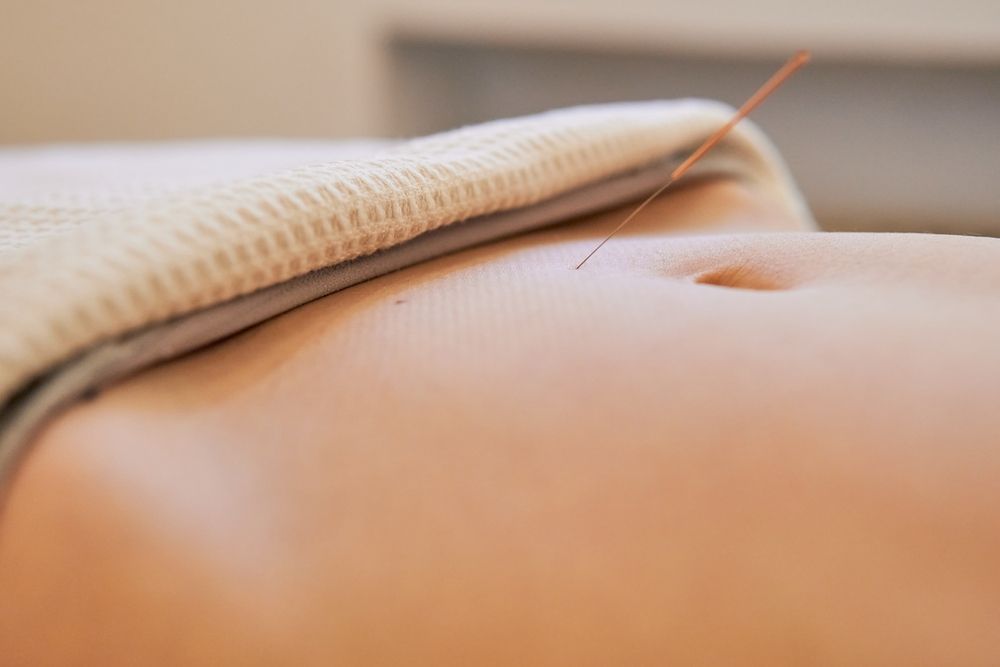
A new study compared the effect of electro-acupuncture (EA), physical exercise and no intervention on testosterone levels, menstrual frequency, acne and hirsutism in women with PCOS. After 16 weeks of treatment, the researchers found both EA and exercise lowered testosterone and increased menstrual frequency, with EA having a significantly greater impact than exercise. After a further 16 weeks of EA treatment or exercise, improvement was noted in hirsutism and acne symptoms, again with electro-acupuncture having a greater impact than exercise.
Lifestyle treatment including diet, exercise, stress reduction and Traditional Chinese Medicine for PCOS makes sense. If you have been diagnosed with PCOS, we encourage you to come in for a consultation and work with our expert practitioners. Our comprehensive and targeted approach to PCOS includes specific dietary recommendations and supplementation, yoga and relaxation for stress reduction and Traditional Chinese Medicine acupuncture treatment. You do not need to be struggling to conceive to benefit from our expertise. In fact, getting a handle on PCOS before you are “trying” is essential. PCOS is often under-diagnosed in teenage girls and the acne, irregular periods and weight gain are chalked up to puberty.
For more information about PDtM’s comprehensive approach to PCOS, call 312-321-0004 to book a complimentary face-to-face or phone session with our Patient Advocate.
Posted: March 29th, 2011 under Fertility, Fertility Acupuncture, Holistic Fertility, PCOS, Uncategorized.
Tags: acupuncture PCOS, holistic treatment for PCOS, PCOS, Pulling Down the Moon
Comments: 1
Anna’s News: Traditional Chinese Medicine and Egg Quality
Anna Pyne, LAc, MSOM, FABORM
A question I frequently get asked in my acupuncture practice is “Can acupuncture help improve egg quality?” From my own clinical experience the answer is, it can. Acupuncture and herbal therapy help improve the environment of the ovary enabling it to function optimally and properly, therein allowing it to make goo
d quality eggs. An example of this is with Polycystic Ovarian Syndrome (PCOS) where the problem is a functional disorder of the entire system that is affecting the ovary. In other words, the issue is not with that single organ alone. Since the body systemically is not working properly it is not able to nourish the ovary. Therefore many immature follicles develop within the ovary impeding the process to fully grow one or two healthy quality eggs, as is the case in a normal cycle. There are many treatment strategies that traditional Chinese medicine (TCM) offers to help regulate the body’s functioning in PCOS, so that the ovary is being supplied the energy and blood it needs to be able to produce an exceptional egg.
Another instance in which I have seen an improvement in egg quality is with endometriosis. The explanation is a bit simpler to understand than in PCOS. Generally speaking, with endometriosis the condition is one of blood stasis, a problem that can hinder fresh, oxygenated, nutrient rich blood from reaching the ovary thereby having a negative effect on its function of making a good quality egg. Here again there are many options in which TCM can help treat blood stasis so that the ovary is being thoroughly supported to produce a good egg.
Though there is no data via research studies presently to support this claim directly, there is much that I have seen in my clinical experience to believe it to be true. If you have any questions regarding egg quality and how TCM can help please feel free to contact me or book an appointment!
Posted: March 24th, 2011 under Fertility Acupuncture, Infertility, PCOS.
Tags: acupuncture and egg quality, acupuncture endometriosis, Fertility Acupuncture, PCOS, Pulling Down the Moon
Comments: none
PCOS and Thyroid Disease: Is there a link?
By Breea Johnson, MS RD
In a previous blog posting, I recommended that women with PCOS (Polycystic Ovary Syndrome) get screened for autoimmune thyroid disease as
research has shown that women with PCOS are three times as likely to also have an autoimmune thyroid disease. The autoimmune thyroid diseases are Graves Disease and Hashimoto’s Thyroiditis. In both cases, immune system antibodies attack the cells of the thyroid gland which can lead to the gland’s eventual destruction – producing symptoms which can include weight gain or loss, depression, anxiety, rapid heart rate, and in some cases infertility. While most Reproductive Endocrinologists routinely test for Thyroid Stimulating Hormone (TSH) which can determine an over-active thyroid gland (hyperthyroidism) or under-active thyroid gland (hypothyroidism), autoimmune thyroid disease needs to be tested by determining levels of antibodies that the immune system is producing such as anti-thyroid peroxidase antibodies (anti-TPO) or anti-thyroglobulin (anti-TG)antibodies.
In addition to the higher incidence of autoimmune thyroid disease in women with PCOS, a recent study showed that infertile women suffering from PCOS with anti-TPO values that exceeded the upper level of normal were significantly more likely to be resistant to Clomid compared to Clomid responders and Metformin responders. They went on to conclude that elevated anti-TPO levels (an indicator of autoimmune thyroid disease) are associated with poor treatment response in infertile women who suffer from PCOS.
So, why is it so common to see PCOS and Thyroid Disease together? There is no definitive answer, but there are connections. Both the thyroid gland and the ovaries are part of the endocrine system. Insulin resistance, which is very common in women with PCOS, is also associated with thyroid function as studies have found that increased levels of TSH correlate with an increase in insulin resistance (read more about the insulin resistance and PCOS connection in a previous blog). There also may be specific nutritional deficiencies that PCOS and thyroid disease have in common.
While the research is still limited in the area of infertility, thyroid disease and PCOS, there is a link between all of them and getting tested and screened for both PCOS and thyroid disease may be beneficial in your fertility journey. Nutrition also plays a large role in the treatment of PCOS and thyroid disease including helping to lessen insulin resistance. To book a nutrition consultation at Pulling Down the Moon, call (312) 321-0004 or visit www.pullingdownthemoon.com.
Posted: September 28th, 2010 under Fertility, Fertility Diet, Holistic Fertility, Infertility, PCOS.
Tags: hasimoto PCOS, PCOS, PCOS infertility, PCOS thyroid
Comments: 2
Anna’s News: A TCM View of Polycystic Ovarian Syndrome
Polycystic ovarian syndrome (PCOS) is a common reproductive endocrine disorder and something we frequently treat at Pulling Down the Moon. Up to 75% of women with this diagnosis do not ovulate, which is hardly ideal when trying to conceive. In fact, it’s not until they have trouble conceiving that many women learn they have PCOS, which in addition to causing infertility can also have negative long-term health consequences including heart disease and diabetes.
In Traditional Chinese Medicine, PCOS is considered an anovulation disorder related to ovarian insulin resistance.* Chinese medicine initially acknowledged PCOS in the 1200′s describing it as a “Tian Gui” disorder, meaning a genetic disorder with the main symptoms being cycle irregularity and infertility due to anovulation. There are a number of TCM patterns of diagnosis to describe PCOS, the main one being a (Chinese) Kidney Deficiency. The kidney in TCM is the organ system that is regarded with any genetic disorder and considered the root cause in PCOS. The absence of the period, and therefore the absence of ovulation is a kidney pathology. Interestingly, modern science has just recently identified a genetic component to PCOS and now think of PCOS as a hereditary problem in which symptoms often do not present until later in life.
A secondary pattern in TCM is Spleen Deficiency, which has to do with the insulin resistance part of the PCOS diagnosis. The Chinese spleen is responsible for the metabolism of nutrients from foods, as well as the transformation and transportation of fluids in the body. In patients with actual cysts in the ovaries, TCM considers the spleen to be dysfunctional. This is also the organ that relates to weight gain. Obesity is seen in 30%-60% of patients with PCOS. By improving the function of the spleen we help regulate blood sugar and resolve the excess fluid accumulation from ovarian cysts and/or fat from weight gain. A third, related TCM pattern is Liver Stagnation, which can manifest as blood stasis or excess heat in the channels. Blood Stasis in the channels causes hair follicles to be nourished excessively creating coarse unwanted hair. This represents the hirsutism symptom, of which 70% of patients with PCOS have. Excess heat in the channels also promotes the acne component of PCOS.
When trying to improve fertility in patients with PCOS the primary focus is to induce ovulation. According to TCM pattern diagnosis, the main organs treated for this condition are the kidney, spleen, and liver. Treatment using TCM pattern diagnosis is greatly successful in inducing ovulation and a skilled TCM practitioner can use a combination of acupuncture, electro-acupuncture, moxabustion and herbal therapy to treat Polycystic Ovarian Syndrome.
*Different phenotypes of polycystic ovary syndrome by Rotterdam criteria are differently steroidogenic but similarly insulin resistant. Fertil Steril. 2010 Mar 1;93(4):1362-5. Epub 2009 Sep 26.
Book an initial consultation with Anna Pyne in Chicago here.
Posted: May 3rd, 2010 under Fertility, Fertility Acupuncture, Holistic Fertility, Infertility, PCOS.
Tags: electro-acupuncture infertility, Fertility Acupuncture, fertility nutrition, Holistic Fertility, Infertility, infertility acupuncture, PCOS, polycystic ovarian syndrome
Comments: none
Blood Sugar Management for Fertility and Beyond…
Here’s a good new/bad news situation. The bad news is that more women are likely to receive a diagnosis of Gestational Diabetes Mellitus (GDM) in the coming months. The good news is that if you’re in the trying to conceive process and eating a fertility-friendly diet like the one we use at Pulling Down the Moon you are well on your way to preventing this condition which can be dangerous to mother and baby.
Previously, a diagnosis of GDM was based on blood sugar measurements that identified women at higher risk for developing diabetes later in life. The new standards take into consideration risks to the mother and baby, including overweight babies, early delivery, c-section delivery and pre-eclampsia (a life threatening rise in blood pressure that endagers health of mom and baby). When these outcomes were added to the equation, experts found they needed to make the diagnostic criteria more stringent. With the new guidelines, it’s estimated 16% of pregnant women will be found to have GDM instead of the 4-6% who currently get diagnosed.
Just in case you needed a bit more motivation to either get started or keep going with your fertility-friendly diet, do it for diabetes prevention and the health of your future child!
Posted: March 4th, 2010 under Fertility, Fertility Diet, Infertility, Nutrition for Fertility, Pregnancy.
Tags: blood sugar fertility, gestational diabetes, nutrition and fertility, PCOS, polycystic ovarian syndrome
Comments: 1