Chicago Area (312) 321-0004 | DC Metro (301) 610-7755

Site menu:

Subscribe to Our Feed

Links:

Categories

Archive for 'Pregnancy'

Pregnancy Passport: Relaxed Mommies Make Healthier Babies

by Beth Heller, MS RYT

As I’ve said before, it took me seven years and five pregnancies to get two kids.  So, while pregnancy was a joyful time for me on some levels, it was also a time of stress and sleepless anxiety.  In fact my business partner Tami will often joke that my pregnancies were some of the most stressful times of her life.  Honestly, though, without yoga, massage and acupuncture I think I would have bitten my fingernails to the quick waiting for Jackson and Calvin to arrive safely.  What I didn’t know then was that seeking relief for anxiety through holistic means was also good for my boys.  A growing body of clinical evidence now suggests that prenatal stress, depression and/or anxiety is linked to adverse health outcomes for both moms and babies including preterm birth, preeclampsia and even future risk of chronic disease and obesity (1).

Women, especially women who have struggled to conceive, may feel guilty about experiencing anxious emotions during this “blissful” time.   Yet preparing for a new baby, no matter how hard one had to work to get it, can be stressful.  Changes in the body during pregnancy, including the strains of a growing belly  and nighttime muscle cramps, can also disrupt sleep, which increases stress.  Rather than worry about worrying, we suggest you take the bull by the horns and enjoy a 360 degree self-care program during pregnancy.  And honestly, it will never again be as easy to justify self-care like acupuncture, massage and yoga as it is when your efforts are a “double-dip” – good for mom and great for baby.

Here are several strategies for decreasing maternal stress and improving overall well-being during pregnancy:

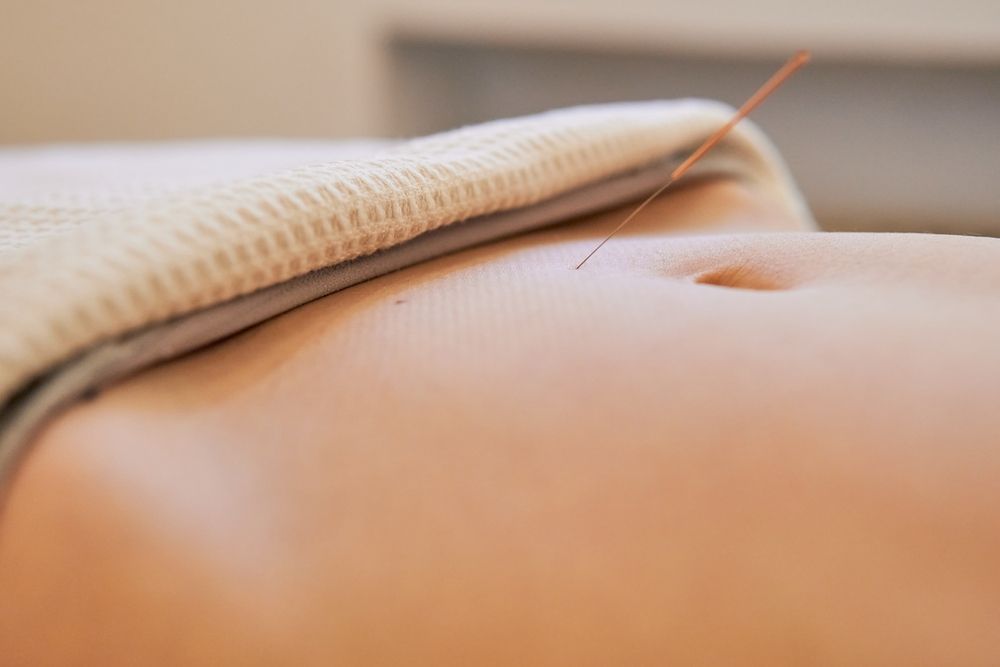
1.  Get acupuncture.  A 2010 study in Obstetrics and Gynecology found that acupuncture treatment alleviated symptoms of stress and depression in pregnant women and women experiencing infertility (2, 3).  Acupuncture has also been shown to be effective at managing morning sickness, back and pelvic pain and labor pain.   Make sure, however, that you see a practitioner who is experienced in treating pregnancy.

2.  Do prenatal yoga.  Compared to controls, women who did prenatal yoga experienced significant reductions in physical pain from baseline to postintervention compared with women in the third trimester whose pain increased.  Women in the yoga group  showed greater reductions in perceived stress and trait anxiety in their third trimester than women from the control group (4)  The same women also experienced better sleep and less wakefulness (5).

3.  Get prenatal massage.  Research shows that women who received prenatal massage reported decreased depression, anxiety, and leg and back pain. Cortisol levels decreased, which decreased excessive fetal activity; the rate of baby prematurity was also lower (6).

4.  Seek expert prenatal nutrition counseling.  There are specific nutritional strategies for managing weight gain, avoiding conditions like Gestational Diabetes and Pre-eclampsia and improving digestion (less heartburn, avoid constipation).   At Pulling Down the Moon we target our prenatal nutrition consults based on trimester.

Our Prenatal Passport is an excellent way to surround yourself with support and expert prenatal wellness care.  The Prenatal Passport includes your Initial Acupuncture Consultation, one Pregnancy Massage and a two-session Prenatal Nutrition Package as well as a free 3-session package of our “Divine” Prenatal Yoga class visits for just $372.00 – (Divine yoga currently available in Chicago only) which represents a savings of almost $150!  The Prenatal Passport also make a great gift.  Gift certificates are available at our online store shop.pullingdownthemoon.com.  


1.  Entringer S et al.  Prenatal stress and developmental programming of human health and disease risk: concepts and integration of empirical findings.  Curr Opin Endocrinol Diabetes Obes. 2010 Dec;17(6):507-16.

2.  Smith CA. 1.  SMith The effect of acupuncture on psychosocial outcomes for women experiencing infertility.  J Altern Complement Med. 2011 Oct;17(10):923-30. Epub 2011 Oct 6.

3.  Manber et al. Acupuncture for depression during pregnancy:  a randomized controlled trial.  Obstet Gynecol. 2010 Mar;115(3):511-20.  

4.  Beddoe AE et al.  The effects of mindfulness-based yoga during pregnancy on maternal psychological and physical distress.  J Obstet Gynecol Neonatal Nurs. 2009 May-Jun;38(3):310-9.

5.  Beddoe AE et al. Effects of mindful yoga on sleep in pregnant women:  a pilot study. Biol Res Nurs. 2010 Apr;11(4):363-70.

6.  Field, T. (2010). Pregnancy and labor massage therapy. Expert Review of Obstetrics and Gynecology, 5, 177-181.

DHEA and DHA: Commonly Confused Fertility Supplements

By Breea Johnson, MS RD

DHEA and DHA are two supplements that are often confused by people trying to conceive. While their abbreviations may look similar they are in fact very different – one is a fatty acid while the other is a hormone and one should be taken during pregnancy while the other should be avoided during pregnancy.

DHA stands for Docosahexaenoic acid, which is an omega-3 fatty acid and found in conjunction with EPA (Eicosapentaenoic acid). DHA is beneficial for neurological health and is added to prenatal vitamins for the central nervous system and optical development of a fetus. While it’s not always included in prenatal supplements, it is highly recommended that both pregnant and breastfeeding women take a DHA supplement. Consider this research:

  • A 2004 study published in Child Development found that babies whose mothers had high blood levels of DHA at delivery had advanced attention spans into their second year of life. During the first six months of life these infants were two months ahead of babies whose mothers had lower DHA levels.
  • A 2003 study published in the journal Pediatrics showed children whose mothers took a DHA supplement during pregnancy scored higher on intelligence tests at four years of age than children of mothers not taking DHA supplements.
  • In a 2011 review article, researchers concluded that decreased brain DHA represented an important potential risk factor for depression generally, and postpartum depression in particular as research has found low levels of DHA in mother’s milk and in the red blood cells of women with postpartum depression (Journal of Affective Disorders, 2002).
  • In a trial of women receiving DHA supplementation during the third trimester, the average length of gestation increased six days (Obstetrics & Gynecology, 2003).

DHA is beneficial not only for the health of a growing baby but also for the health of a mother, and thus it’s a critical supplement to take while pregnant and breastfeeding. But, while DHA is an important omega-3 fatty acid, EPA is left out of almost all prenatal supplements. EPA is the anti-inflammatory omega-3 fatty acid and is most beneficial when trying to conceive. Research has shown many studies that men and women with higher levels of blood omega-3 fatty acids have increased fertility rates compared to people with lower levels of blood omega-3 fatty acids.

So, now switching to DHEA, which stands for Dehydroepiandrosterone. Unlike DHA, which is a fatty acid, DHEA is a hormone, one of the most abundant circulating hormones in the human body. DHEA has recently garnered a lot of attention in the world of fertility for helping women with Decreased Ovarian Reserve (DOR) and Premature Ovarian Failure (POF) as it is a precursor to hormones such as testosterone and estrogens and may help increase follicular stimulation. It is also known to sharply decline with age. DHEA has been shown in some small studies to improve IVF outcomes in women that are poor responders to IVF. Some research also points to DHEA as possibly reducing aneuploidy chromosomal abnormalities) in embryos and thereby decreasing miscarriage rates.

A few things should be noted about utilizing DHEA when trying to conceive. First, it should not be taken in high doses for long term as it may cause undesirable fluctuations in hormone levels and may also cause liver damage. Also, before beginning DHEA it is advisable to get DHEA-S levels tested to make sure they are within range before supplementation. It is also highly encouraged to notify your Reproductive Endocrinologist before beginning a DHEA supplement. Unlike DHA, DHEA is not to be used if pregnant and should be discontinued as soon as a positive pregnancy test is achieved. DHEA should also not be used if you have PCOS, as this hormone may make this condition worsen.

DHA and DHEA are very different supplements – while both have important roles in trying to conceive it’s vital to know the difference between the two. If you have additional questions, please ask your reproductive endocrinologist or one of our nutritionists at Pulling Down the Moon. To book a nutrition appointment, please call (312) 321-0004 or visit www.pullingdownthemoon.com to book online.

Finding the Center: Reflections on Fertility, Pregnancy, Birth & Beyond

By Kristen Ethier

In her book Birthing from Within, author Pam England offers a breathing technique called “Finding the Center” which I often encourage laboring mothers to use in my work as a birth doula.

The basic premise for “finding the center” is to visualize the center of the contraction or labor pain and breathe through it, facing the pain and, at the same time, shattering it with your breath. I often encourage mothers to imagine that they are taking a dive right through the center of a very cold ocean wave, allowing the wave to crash over them and then retreat with the tide. Some women like to imagine a raging tornado, swirling in the center of the storm, their breath dispersing the chaos of the tornado- the pain of their labor.

“Finding the center” works well during the transition stage of an unmedicated labor, between 7 and 10 centimeters when even our best efforts at distraction are absolutely useless. During this time, all you can do is face your pain and dive in!

When I reflect on the fertility stories of so many women and families that I am blessed to hear while at Pulling Down the Moon, it seems that this idea of finding the center applies to not only the intense pain of childbirth, but to fertility, conception and parenting.

I encourage you to remember this if you find yourself at what feels like the height of any pain, heartbreak. Find the center of your pain, dive in and, with awareness of your breath and your body, shatter it. Keep going until you come out on the other side. There is clarity and joy to be found when you get there.

England, Pam. (1998). Birthing from Within: An Extra-ordinary Guide to Childbirth Preparation . New Mexico: Partera Press.

The Importance of Post-Partum Support

Although I only have two children I had three post-partum periods – five post-pregnancy periods if you count miscarriages.   As you can tell from these stats I struggled to have kids.  The emotional upheaval that accompanied my miscarriages and the stillbrith was overt.  Because I experienced loss the medical folks involved in my care were direct about providing resources for emotional and physical support.  But

with my first healthy delivery of a live child – my son Jackson – my experience of the post-partum period was obviously different.  I was excited, motivated and ALIVE.  The lack of sleep that other parents complained about was a nuisance that I shrugged off.  I had a new baby and a new business, Pulling Down the Moon, where we were helping women find this blissful state of motherhood.  I took media interviews from the delivery room, taught fertility yoga at night and worked at PDtM all day with Jack tucked away under my desk.  Depression?  Heck!  I was energized by this post-partum thing!

But sooner or later the laws of physics catch up.  I think the law goes “for every action in the universe there is an equal and opposite reaction.”  Or, perhaps more accurately, “what goes up must come down.”

In my case the descent began with a tiny sliver of wood that lodged itself in my bare foot while I was teaching yoga.  Although I removed the sliver, within a week the sole of my foot was excruciatingly tender.  A week after that I limped around so pathetically that my business partner Tami Quinn asked me if I was okay.  I wasn’t.  The entire ball of my left foot had turned a vile shade of yellow-green.  I could barely walk without tears coming to my eyes.  Before teaching yoga I’d pop advil and wrap my foot in bandages.

On Tami’s insistence I visited my doctor, initiated a course of antibiotics that didn’t work and finally ended up with minor foot surgery.  And what was the result?  Well my foot got better.  But something else happened during that time too -  I stopped running around (literally)!  I stayed home from work and stopped teaching while my foot healed.  And during the three-week period I actually sat still  I realized the tremendous, momentous changes that were sweeping through my life.  Jackson was almost four months old when I realized I was mentally exhausted, physically run-down and – yes – depressed.

I actually think this may be a common phenomenon.  Many of my friends have had similar experiences of major illness and physical breakdown during the post-partum period.  My friend Annie (not her real name) was hospitalized twice with severe mastitis that had become septic.  Another friend experienced tingling and numbness in her limbs and spent a terrifying couple of weeks undergoing testing for multiple sclerosis.  I could add other stories but the theme is the same – the bliss of new motherhood abruptly punctured by a physical crash.

Could these sorts of symptoms be related to the post-partum period?

According to Crissy Anderson, Clinical Fellow at The Family Institute of Northwestern University, the answer is yes.

“While we most often hear about postpartum depression,” says Anderson, “it actually falls under a larger umbrella of postpartum mood disorders. Anxiety, Panic Disorder, OCD and Psychosis (most rare, about one in every one thousand women), while less common than postpartum depression, are all mood disorders that new moms can experience.  Some new moms experience a period of mania, where energy and abilities seem limitless…this will be temporary, though, and is most often followed by a period of depression.”

Whether or not a new mom develops a diagnosable mood disorder, the majority will experience the “Baby Blues”. These are typically in response to hormonal changes, starting a few days after birth and lasting for several days up to a couple of weeks; symptoms include mood fluctuation, crying, anxiety, insomnia, difficulty concentrating and fatigue.”

Dr. Jeremy Bloomfield agrees that the stress of the post-partum period can manifest in many different ways.

“The mind/body connection is real.  When we have stresses and conflicts that we unconsciously avoid in order to minimize anxiety, we still find creative ways to express ourselves.  Often people express themselves through their bodies via physical symptoms and ailments.  And make no mistake, these expressions and illnesses are real.”

Bloomfield explains that our natural focus is on the beauty and wonder of having children and the “normal stresses” of new parents.  But sleep-deprivation and new schedules are only part of the story.  Parenting also activates conflicts associated with societal and cultural messages, family expectations, changing bodies, and deeply held beliefs about “how life should be.”

“Parenting can even stir up conflicts that have lain dormant or were resolved in some provisional way.   In Beth’s case it took a splinter to pay attention to the big picture.”

As I sat crying on my sofa with my foot up I finally admitted that I had to take some time for myself.  I called in help, made an appointment with a therapist, got serious again about yoga and scheduled some acupuncture sessions to help restore my jing (life essence).  Within a few weeks major depression was averted and life-balance was restored.  I often wonder how the first four months of Jackson’s life would have unfolded if I made these changes earlier.  Would I have slowed down, enjoyed more, taken time to cocoon?

If you find that you are relating to this story, I encourage you to join our new program M-Power:  A 10 Week Mind Body Program for New Moms. It’s easy to take excellent care of yourself when you’re pregnant – but once baby is born, self-care falls to the side as all eyes are on the newest arrival. Nearly 85% of new moms experience “baby blues,” which can be compounded by sleep loss, relationship stresses and hormonal fluctuations. M-Power is a unique program that combines group processing, practices like acupuncture and yoga and expert psychological support to make the first months of motherhood an “M-powering” experience.

This 10 week program will explore topics including the transition to motherhood, changing relationships, knowing your baby’s cues, as well as a mindfulness component that will help you be more present in these precious days. Interwoven with these discussions will be sessions in group acupuncture, postpartum exercise, yoga/relaxation and nutrition for mood and energy. M-Power will help you take care of YOU while you meet other new moms and form a strong social support system.

Learn more about this program here.

Autism: Causes and Early Identification

Jen Preschern, M.A., CCC SLP

1.  Researchers have identified the genes that cause autism.  There are 100 genes that can recombine in any  way.  This is why no 2 children with autism are the same.   (This is widely accepted by the research community. PBS has a segment on it:  http://www.pbs.org/wgbh/nova/body/autism-genes.html )

2.   However, researchers are also looking at what epigenetic causes “turns on” these genes.  Basically, if/what environmental causes are connected with the expression of the genes.    Meaning,  you may inherit your dad’s genes for  high blood pressure.  However, if you eat right and exercise, these genes may never be expressed and you may live to be an old man with normal blood pressure.

For more information on the fascinating new field of epigenetics, check out PBS: http://www.pbs.org/wgbh/nova/body/epigenetics.html (As a digression-  I highly recommend the segment on the Tale of Two Mice.  It describes pre-natal epigenetic causes of obesity. Fascinating)

3.  Jenny McCarthy and Hollywood need to step down.  Autism is not caused by the  MMR vaccine or any other regular vaccine ( at least not those given after a baby is born.  There might be some connection if a mother is given vaccines while pregnant.)

http://www.ncbi.nlm.nih.gov/pubmed/20837594

http://www.ncbi.nlm.nih.gov/pubmed/17898097

http://www.ncbi.nlm.nih.gov/pubmed/20812501

*If anyone is not convinced yet, I can find about a hundred more studies that show that AUTISM IS NOT CAUSED BY the MMR shot!!! Get your kids vaccinated, and encourage your friends kids to get vaccinated too.     Measles and Rubella is returning because idiots follow the advice of celebrities over the advice of researchers.

4.  There is a correlation (research is not sure if it’s a cause) of paternal age and autism.

http://www.ncbi.nlm.nih.gov/pubmed/20837314

5 . While researchers are debating as to exactly WHAT epigenetic factors turn on the autism genes, there is some promising research on exposure to chemicals while in-utereo

There is a link between pre-natal exposure to common pollutants and autism (one chemical in particular: polycyclic aromatic hydrocarbon benzo(a)pyrene.    US News did an easy to follow report on this too- second link.

http://www.ncbi.nlm.nih.gov/pubmed/20889680

http://health.usnews.com/health-news/family-health/womens-health/articles/2009/07/20/exposure-to-common-pollutant-in-womb-might-lower-iq.html?PageNr=1

If you are pregnant, or know someone who is pregnant, I recommend eliminating chemicals from your home as much as possible, including the use of plastics for microwaving/storing food/water bottles, and the use of chemical cleaners as much as possible.     I would also look at eating only grass-fed beef and organic milk.   The amount of chemicals in our standard meat and dairy system in the USA is staggering.     High fructose corn syrup while pregnant  is also a no-no.   Look at the labels. These things are all derivatives of processed corn: sucrose, dextrose, fructose, corn syrup.  If  a food item has one these ingredients listed, and it is not a candy product- don’t buy it!    A recent Stanford study proved that this stuff makes you fat.   Another study printed in the recent Economist magazine  showed that a mother’s diet while pregnant pre-disposes her child to the same food preferences.  (I did not provide research on this paragraph here, but I can get it if anyone is interested).      Until researchers can identify what specific chemicals are linked to autism, I’d recommend staying away from all of them if you are pregnant.

6.   If the genes are expressed, autism is caused by abnormalities in the pre-frontal lobe of your brain.  In a nutshell, the left pre-frontal lobe controls language, working memory, executive functions.  The right prefrontal lobe controls the mirror neuron system, which is the location of the ability to feel emphathy or  ”feel” what another person is going through.   Here is an interesting PBS segment on the mirror neuron system:

http://www.pbs.org/wgbh/nova/body/mirror-neurons.html

In children with autism,  the area in the brain responsible for the mirror neuron system, the pons opercularis(the symmetrical site of Broca’s - language production area- on the left hemisphere), is not working as compared to normally developing children.   In a recent FMRI study, the activity recorded in the pons opercularis during a facial expression/matching test  was directly correlated to the severity of autism. In children with the most severe autism, the area was not activating at all!  This means that the part of the brain that is able to connect with other people is just not working!!!

It is also believed that the genes/environment cause the brain to myelinate, or form connections between parts in the brain, improperly-  In some places too much too fast, in other places not enough-  Myelin in the brain is absolutely necessary- It creates connections and allows skills to become automatic.         (As a digression- the myelin that connects the occipital area(vision),with Wernicke’s area(language comprehension), with Broca’s area(language), with the amygdala(emotion regulation), with a not-yet fully formed  yet pre-frontal lobe(goal setting, inhibiting of impulses, attention, working memory)  becomes fully connected around age 6 in most children-  This is why children can being reading at this age!!  Before this time, the brain is literally not connected! )

Thus, a child with autism can not “feel” other people’s emotions,  and they are easily over-stimulated because any incoming stimuli not only activates one brain area like a normally developing child, but large portions of the brain (due to the too strong/too much myelin connections).  It all makes sense-   Children with severe autism  then use compensatory strategies, such as hand flapping/perseveration, in orde to help regulate themselves.  They are also unable to deal with change in the environment, because the area of the brain responsible for regulating change is not functioning properly.

http://www.ncbi.nlm.nih.gov/pubmed/20564327

*research that shows more myelin in left and front medial frontal cortex-  These are the executive function areas that help children regulate emotions, set goals,  monitor progress.    They are also the areas responsible for language, and social interaction (the mirror neuron system)

7.  Researchers believe that children can be identified with autism as early as one, maybe even earlier-

Some red flags for very young children-

  • A child spends an inordinate amount of time focusing on dynamic geometric images(staring at fans, watching movement of cars, looking at things not people) -   http://www.ncbi.nlm.nih.gov/pubmed/20819977 This type of child would be more interested in staring at moving objects than interacting with you.    Meaning, most babies can be entertained by games like “peek-a-boo” for quite a long time.   When you play with normally developing babies, they will be looking at your face and smiling with you.  Children with autism will be more interested in the object that is covering your face in peek-a-boo than in you.  Their eyes would be following the towel you use to cover your eyes, instead of looking at your face when you lift up the towel.
  • Delayed/missing development of eye gaze.  For instance,  with a normally developing child, if you stop playing and look towards another family member, the baby’s eyes will look where you look.    Or, if you point to a cup on the counter, the baby will follow the pointing of your finger and look where you are looking when you say “cup!”    A child with autism will appear to “not be paying attention” and will not follow your gaze or finger points.
  • Delayed/missing development of gestures- Even before babies communicate with words, they use gestures (pointing, pulling on your hand to show you something). If a child is not doing this by age 1, it is a huge red flag.    Gestures are considered the pre-cursor to oral language.
  • And of course,  delayed oral language development-  but all these other factors can be identified much earlier.

8.  What is a parent to do if they suspect autism?  Find a friendly speech/language pathologist!   www.asha.org can help you locate someone in the area  or let me know and I can help you find one.

Jennifer Preschern, M.A. CCC-SLP

Jen has worked as a speech/language pathologist in the public school setting and in the private setting. She currently works with Leap Learning Systems in Chicago, IL as a reading/language consultant.  Jennifer holds masters degrees from Northwestern University in speech/language pathology and in learning disabilities, and a school administration degree from Loyola University. She is also certified in early intervention techniques from the Hanen Center and in phonics instruction from Orton-Gillingham.   She has published several teacher resource books, and presented at numerous state and local educational conventions primarily in the areas of reading, writing, and language.

If you would like to contact Jen with any questions, feel free to email her at jenpreschern@onebox.com.

The Importance of Good Health Habits During Pregnancy

by Anna Pyne, LAc, MSOM, FABORM

I was reading a recent article in Time magazine on ‘How the First Nine Months Shape the Rest of Your Life’ and felt impelled to write this latest blog.  The article explains that obesity, heart disease, diabetes, depression, and cancer can be traced back to fetal origins.  The belief is that “the nine months of gestation constitute the most consequential period of our lives, permanently influencing the wiring of the brain and the functioning of the organs…”.*  This inspired me to write about the importance of good health during gestation.  Acupuncture and herbal care during pregnancy is just one modality we offer at Pulling Down the Moon to help ensure optimal health for the mother and developing fetus.

Acupuncture and herbal therapy administered in the first trimester, as I’ve seen in my practice, may help benefit the mother by reducing fatigue, easing nausea, resolves acne, soothes headaches, and any other change that affects the body while the hormones adjust to being pregnant.  For the embryo it is an especially important time as good health in the first trimester will establish the constitution of the growing fetus.  Acupuncture and herbs are still applicable in the second trimester, although treatment is typically not as frequent as in the first.  The third trimester is also an important one, and treatment frequency will increase as the expected due date draws near.   Treatment focus is always adjusted to the mother’s needs at that moment in her life, for example, enhancing the immune system if she has the tendency to fall ill, strengthening the digestive tract in cases of IBS, or boosting metabolism in cases of obesity etc.  Expectant mothers should be cognizant that they are setting the stage for the health of their unborn child from the beginning of pregnancy to labor.  Acupuncture and herbs during this time are a great, safe way to maintain and benefit health when done by a knowledgeable practitioner.  To schedule an appointment or find out more on how acupuncture and herbal therapy can help, feel free to contact me via email or call the office.

Anna Pyne LAc, MSOM, FABORM

*”How the First Nine Months Shape the Rest of Your Life” Time Magazine, Oct 4th 2010, p52.

Anna’s News: How Soon is Too Soon to Try for #2?

Anna Pyne LAc MSOM FABORM

This question comes up quite a bit in my practice.  According to my knowledge and experience with Traditional Chinese Medicine (TCM) I recommend our patients wait at least one year after the arrival of the first baby, in order for the body to be healthy and ready to conceive again. Strengthening the body during this period will consist of enriching the “jing” (essence), “yin” (nourishing fluids), and “blood”, according to TCM medical theory, all of which had been greatly depleted at the time of labor and delivery.  These are the three primary substances which nourish the follicles in order to produce better quality eggs, and in the end another healthy baby.  The patient should start acupuncture again (with herbal therapy if they are not going through a medicated fertility treatment cycle) to nourish the jing, yin, and blood.

I had a recent conversation with Dr. Brian Kaplan, a reproductive endocrinologist we greatly respect and work very closely with, about this subject.  His recommendation to his patients was similar to mine, which was to wait at least 8 months to a year before trying to conceive again.

Ultimately we work with the patient’s comfort level and the doctor’s recommendation as to how soon after a patient waits to try to conceive a second baby. Combing Western and Eastern medicine for our patient’s benefit is the ideal way to practice and it’s how we practice at Pulling Down the Moon.  My philosophy has always been integrating both medical theories and practices to arrive at a superior medical treatment plan.

To book an initial consultation with Anna, click here!

Is Your Prenatal Nutritionist a Specialist?

By Breea Johnson, MS RD LDN

We tend to think of our genetics as a hereditary “gift” from our parents – one that can keep on giving.  Depending on the cards dealt by nature, we may have a life-long relationship with Aunt Martha’s high blood pressure, Uncle Mike’s diabetes and even worry that one day we’ll end up with Grandpa Joe’s Alzheimer’s.  Or maybe we’ve got “good genes,” and expect to live to be ninety-eight like Grandma Mary with a dry martini in our hand.  Hey, you can’t fight genetics, right?

Actually, that’s not entirely true.  While there is validity to genetic patterning, no health outcome is engraved in stone.  Enter an emerging field of study called epigenetics that evaluates how a woman’s diet, stress, toxic exposure and behavioral factors in the pre-conception and prenatal period can actually alter her off-spring’s genetic makeup and risk for chronic disease.  One established example of epigenetics is the “Thirty Phenotype Hypothesis,” which links poor fetal nutrition to the development of chronic diseases, specifically coronary heart disease and Type II diabetes, later in life.  Other emerging research is teasing out associations between psycho-social stress and poor pregnancy outcomes (miscarriage, low birth weight and premature birth) as well as insulin resistance, metabolic syndrome and poor immune function later in life (Wadhwa et al. 2009).

As you might imagine, these new developments are placing serious focus on peri-natal health and nutrition.  When you are newly pregnant, your OB is likely to give you a handout that outlines the “need to know” info for the next nine months.  This resource is great for basic prenatal nutrition guidelines, like which foods to avoid, extra calorie needs and weight gain guidelines, as well as a basic heads’ up about the nausea, constipation and heart burn that may be in your near future.  Yet, when it comes to pregnancy, there’s basic knowledge and then there’s cutting edge.  At the Moon it’s our goal to stay on top of the emerging research surrounding the peri-natal period and to use this information to help optimize the health of mom and baby.  We not only counsel our patients on nutritional issues, we also provide a whole range of services specifically directed to pre-conception and pregnancy including yoga, acupuncture and massage.

Among some of the “nutrition-forward” topics we’re tracking:

  • Vitamin D during pregnancy – what does the latest research say about recommended dosages and why is it important for baby’s future health?
  • If you’re overweight when you start a pregnancy, what does the latest research say about weight gain?
  • Gestational Diabetes – can it be prevented?
  • Soy exposure in pregnancy – helpful or harmful?
  • Emerging guidelines on the benefits/risks of phytoestrogen intake for infants.
  • Increasing rates of infertility in men may be related to perinatal exposure to certain chemicals.  What should you be avoiding?
  • Is it possible to avoid prenatal exposure to mercury and other heavy metals?
  • Artificial sweeteners – should you consume them while pregnant?
  • Organic foods, pesticides and the effect on fetal development.
  • Prenatal Psycho-social stress  and potential health consequences for baby.
  • Can you safely consume potential allergens like peanuts during pregnancy?

If you have undergone ART to conceive, you may have worked with a specialist in fertility nutrition along the way for optimal health during the process.  Prenatal nutrition is a whole new world, with its own recommendations and guidelines. Thus, the need to see a prenatal nutrition specialist is more important than ever.  So, when you are thinking about seeing a nutritionist during pregnancy, make sure to see a Prenatal Nutrition Specialist for the latest, up-to-date guidelines. If you would like to book an appointment with a Pulling Down the Moon nutritionist, please call (312) 321-0004 or visit www.pullingdownthemoon.com for Online Scheduling.

Wadwha et al.  Developmental Origins of Health and Disease:  A Brief History of the Approach and Current Focus on Epigenetic Mechanisms.  Semin Reprod Med 2009 September:27 358-368.

What’s Special About Prenatal Massage

 Ever wondered what makes prenatal massage different from “regular” massage?  Pulling Down the Moon Co-Founder Tami Quinn interviews fertility and pregnancy massage specialist Dana Durand, LMT to get the scoop:

Click here to schedule your FEM (Fertility-Enhancing Massage) Protocol or Pregnancy Massage with Dana Durand at our Shady Grove location.

Fish Oil Quality: How Important Is It Really?

By Breea Johnson, MS RD LDN

Fish oil with Omega-3s (that supply DHA and EPA) are a class of supplements commonly recommended for women with infertility. While nutritionists stress the importance of quality when choosing supplements, many people buy fish oil from their local store for convenience or to save money. This past week a lawsuit was filed in California against fish oil manufacturers [CVS Pharmacy Inc.; General Nutrition Corp. (GNC); Now Health Group Inc.; Omega Protein Inc.; Pharmavite LLC (Nature Made brand); Rite Aid Corp.; Solgar Inc., and TwinLab Corp]. The lawsuit charges that these companies sold fish oil that contained “undisclosed and unnecessarily high levels of contamination with polycholorinated biphenyl (PCB) compounds.”

What are PCBs? PCBs are a class of chemicals that are now illegal. However, they were utilized for many different purposes in industrial manufacturing – such as in coolants, PVC piping, pesticides and paints among other things. They are now considered one of the POPs (Persistent Organic Pollutants), a group of the most toxic compounds that still exist in our food and bodies despite being outlawed years ago. According to the EPA, PCBs have been shown to cause cancer in animals, and negatively affect the immune system, reproductive system, nervous system, and endocrine system, amongst other ill health effects. Here is an excerpt from the EPA’s website about the effect of PCBs on reproduction in animals and humans:

“PCB exposures were found to reduce the birth weight, conception rates and live birth rates of monkeys and other species and PCB exposure reduced sperm counts in rats. Effects in monkeys were long-lasting and were observed long after the dosing with PCBs occurred.

Studies of reproductive effects have also been carried out in human populations exposed to PCBs. Children born to women who worked with PCBs in factories showed decreased birth weight and a significant decrease in gestational age with increasing exposures to PCBs. Studies in fishing populations believed to have high exposures to PCBs also suggest similar decreases. This same effect was seen in multiple species of animals exposed to PCBs, and suggests that reproductive effects may be important in humans following exposures to PCBs.”

According to the Environmental Working Group, one of the highest food sources of PCBs include farm-raised (or Atlantic Salmon), with 16 times the amount of PCBs as wild salmon. Thus, supplementing your diet with a fish oil that contains PCBs or eating farm-raised salmon to obtain omega-3s may do more harm than good. It’s important to know where your supplements (and food) are sourced from, and how the companies treat and process it to form a supplement. There are many companies that sell high-quality fish oil. Read more about the quality of our fish oil here. Please consult with a Pulling Down the Moon nutritionist if you have more questions concerning this matter.

For more information:

www.fishoilsafety.com

www.ewg.org